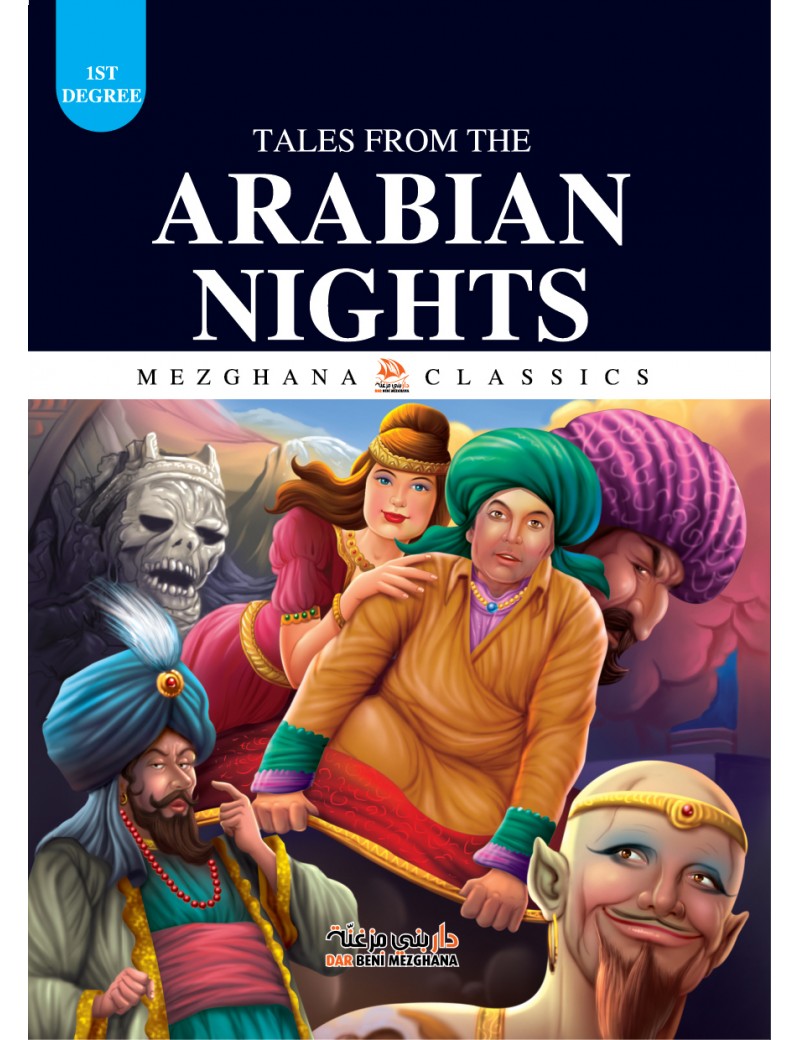
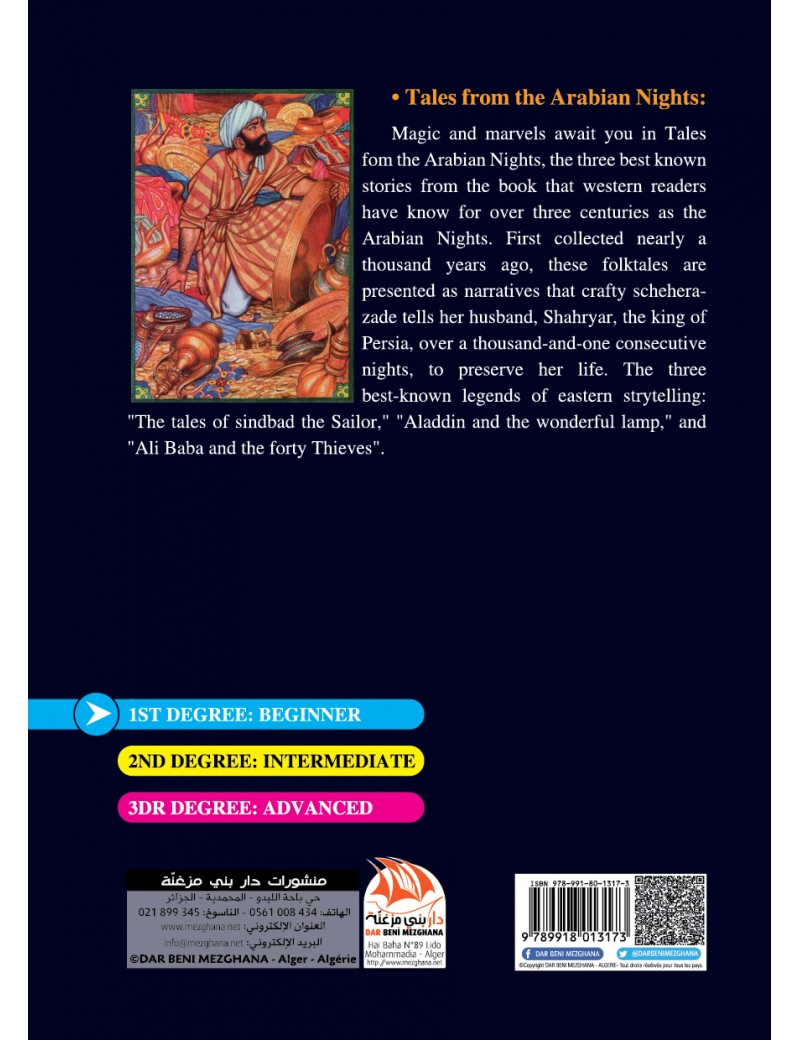
Les Mille et Une Nuits (Arabian nights), est un recueil anonyme de contes populaires d'origine arabe mais aussi persane et indienne écrit en langue arabe. Il est constitué de nombreux contes enchâssés et de personnages mis en miroir les uns par rapport aux autres.
متوفر
One Thousand and One Nights (Arabic: أَلْفُ لَيْلَةٍ وَلَيْلَةٌ, ʾAlf Laylah wa-Laylah) is a collection of Middle Eastern folk tales compiled in Arabic during the Islamic Golden Age. It is often known in English as the Arabian Nights, from the first English-language edition (c. 1706 – 1721), which rendered the title as The Arabian Nights' Entertainment.
The work was collected over many centuries by various authors, translators, and scholars across West, Central and South Asia, and North Africa. Some tales themselves trace their roots back to ancient and medieval Arabic, Persian, Indian, Greek, Jewish and Turkish folklore and literature. In particular, many tales were originally folk stories from the Abbasid and Mamluk eras, while others, especially the frame story, are most probably drawn from the Pahlavi Persian work Hezār Afsān (Persian: هزار افسان, lit. A Thousand Tales), which in turn relied partly on Indian elements.
What is common throughout all the editions of the Nights is the initial frame story of the ruler Shahryār and his wife Scheherazade and the framing device incorporated throughout the tales themselves. The stories proceed from this original tale; some are framed within other tales, while others are self-contained. Some editions contain only a few hundred nights, while others include 1,001 or more. The bulk of the text is in prose, although verse is occasionally used for songs and riddles and to express heightened emotion. Most of the poems are single couplets or quatrains, although some are longer.
Some of the stories commonly associated with The Nights, in particular "Aladdin's Wonderful Lamp", "Ali Baba and the Forty Thieves", and "The Seven Voyages of Sinbad the Sailor", were not part of The Nights in its original Arabic versions but were added to the collection by Antoine Galland and other European translators.
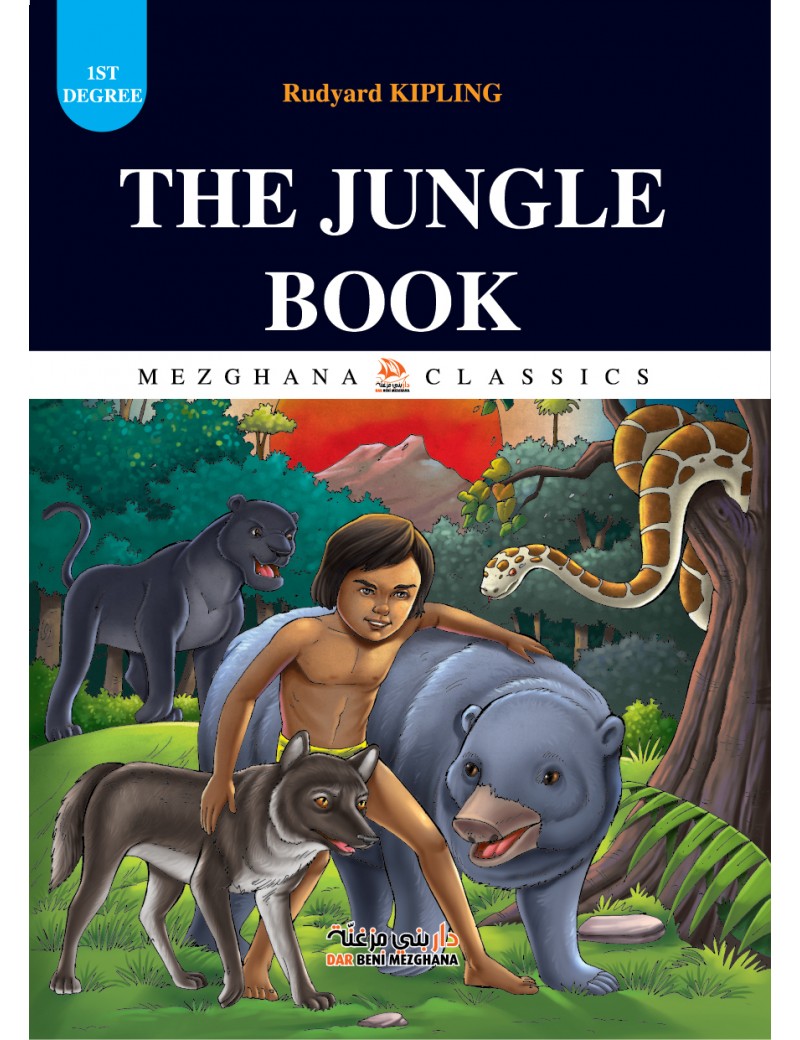
Le Livre de la jungle (The Jungle Book) est un recueil de nouvelles écrit par Rudyard Kipling lors d’un séjour de quatre années dans le Vermont, aux États-Unis. Kipling avait auparavant vécu pendant plus de six ans en Inde, d'où est puisée l'inspiration de la plupart de ses nouvelles. Parus en 1894 et en 1895, Le Livre de la jungle et Le Second Livre de la jungle constituent probablement son œuvre la plus célèbre. La traduction française la plus connue est celle de Robert d'Humières et Louis Fabulet (1899).
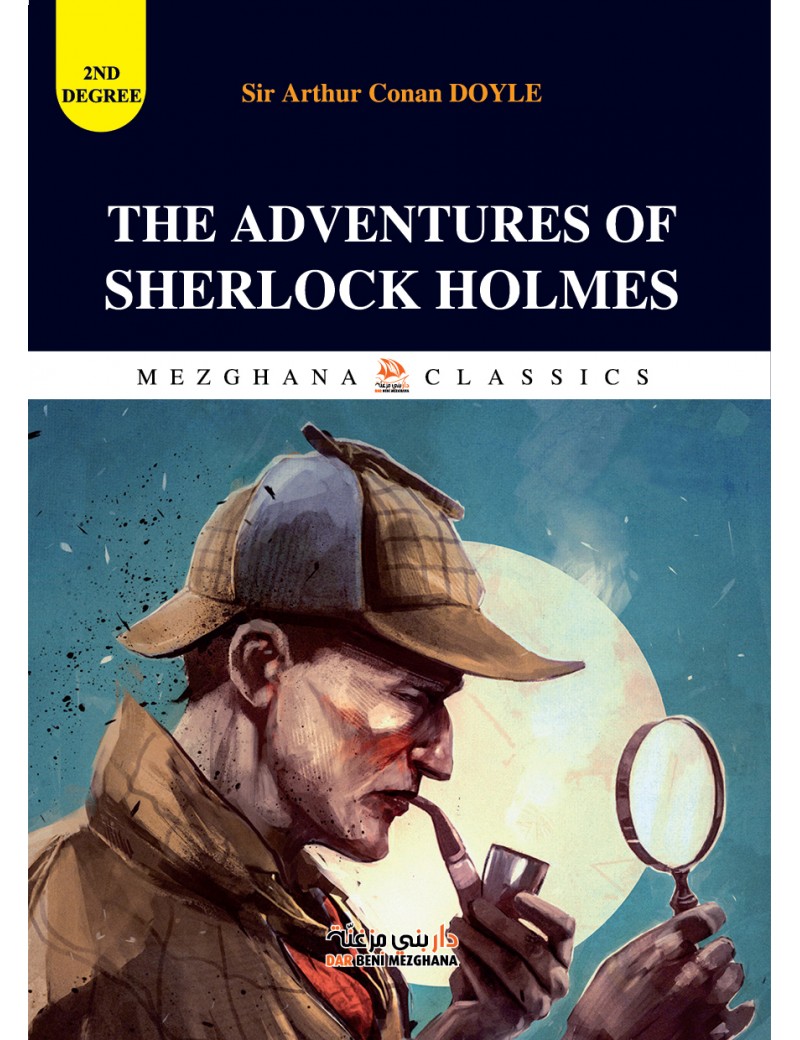
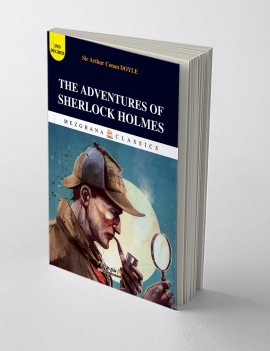
Les Aventures de Sherlock Holmes (The Adventures of Sherlock Holmes) est un recueil de nouvelles policières écrit par Sir Arthur Conan Doyle et mettant en scène son célèbre détective privé. Le livre original a été illustré par Sidney Paget.
Ce sont les premières aventures de Sherlock Holmes. Elles ont été publiées originellement dans Strand Magazine entre juillet 1891 et juin 1892. Le recueil a été publié en Angleterre le 14 octobre 1892 par l’éditeur George Newnes Ldt. Le tirage initial a été de 14 500 exemplaires.
Le livre a été interdit en Union soviétique en 1929 pour raison d'occultisme même si le livre ne montre aucune trace d’une telle thématique.
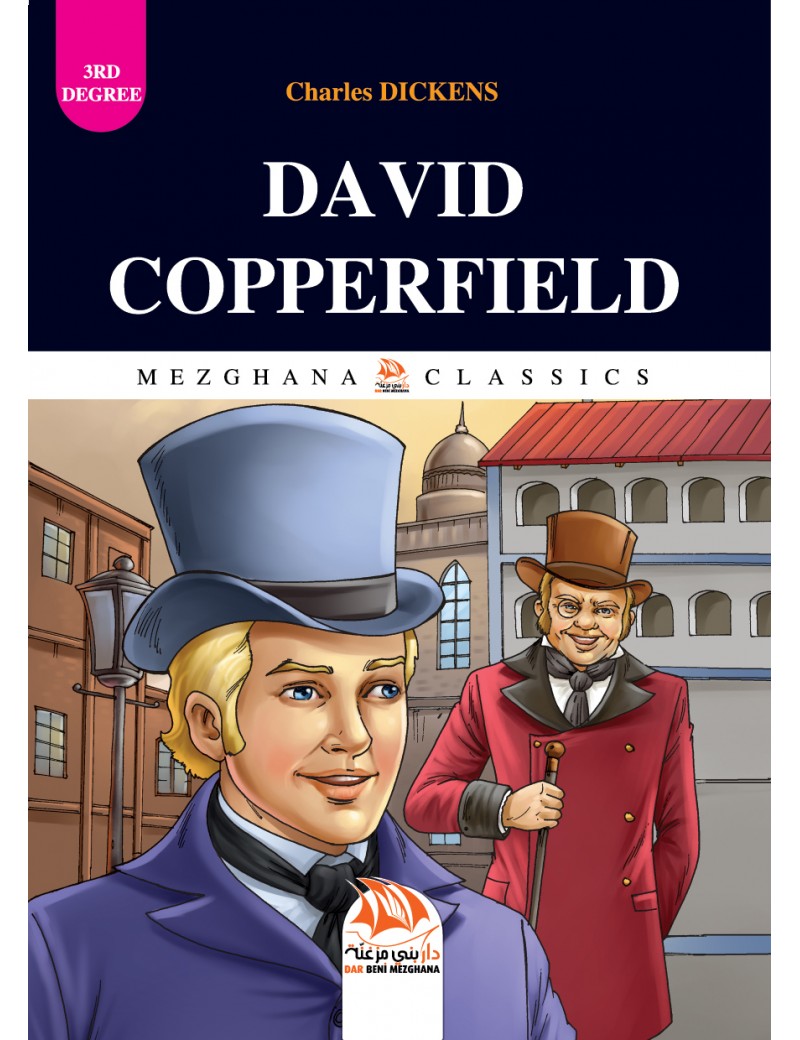
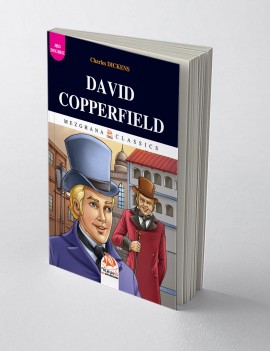
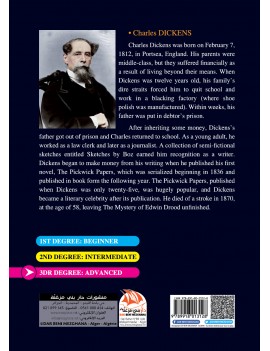
David Copperfield est le huitième roman de Charles Dickens et le premier de cet auteur à présenter un narrateur à la première personne. Il a été publié en vingt numéros et dix-neuf parutions, par Bradbury and Evans, entre 1849 et 1850, avec des illustrations de Hablot Knight Browne, dit Phiz.
Beaucoup considèrent ce roman comme le chef-d'œuvre de Dickens, à commencer par son ami et premier biographe John Forster.
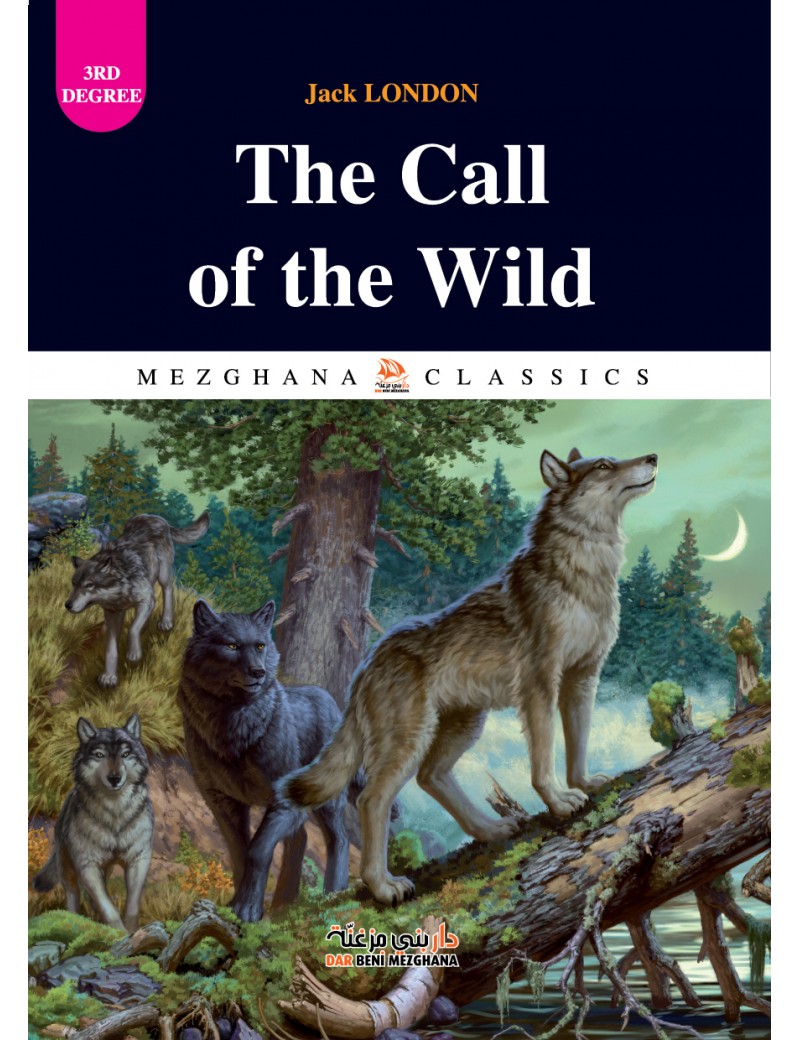
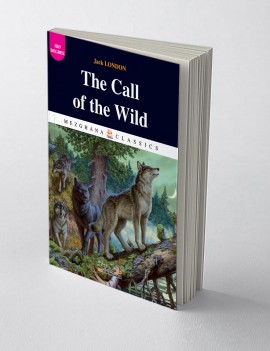
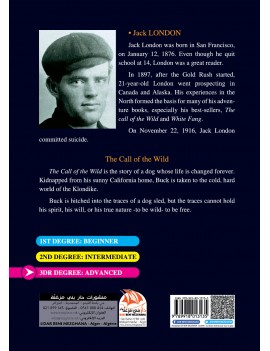
L'Appel de la forêt (titre original : The Call of the Wild) est un roman de l'écrivain américain Jack London publié aux États-Unis en 1903.
En France, le roman paraît pour la première fois sous forme de volume en 1906.
Le roman relate comment un chien domestique, vendu à la suite d'un concours de circonstances comme chien de traîneau à l'époque de la ruée vers l'or, revient à ses instincts naturels une fois confronté aux pièges et à la rudesse du territoire du Yukon.
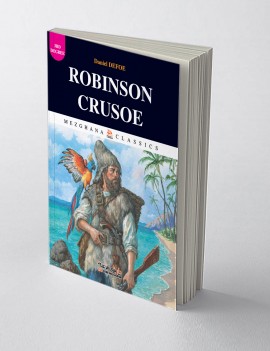
Robinson Crusoé est un roman d'aventures anglais de Daniel Defoe, publié en 1719. L'histoire s'inspire très librement de la vie d'Alexandre Selkirk. Écrit à la première personne, l'intrigue principale du roman se déroule sur une île déserte où Robinson, après avoir fait naufrage, vécut pendant 28 ans. Durant son séjour, il fit connaissance d'un « sauvage » qu'il nomma Vendredi. Les deux compagnons vécurent ensemble pendant plusieurs années avant de pouvoir quitter l'île.
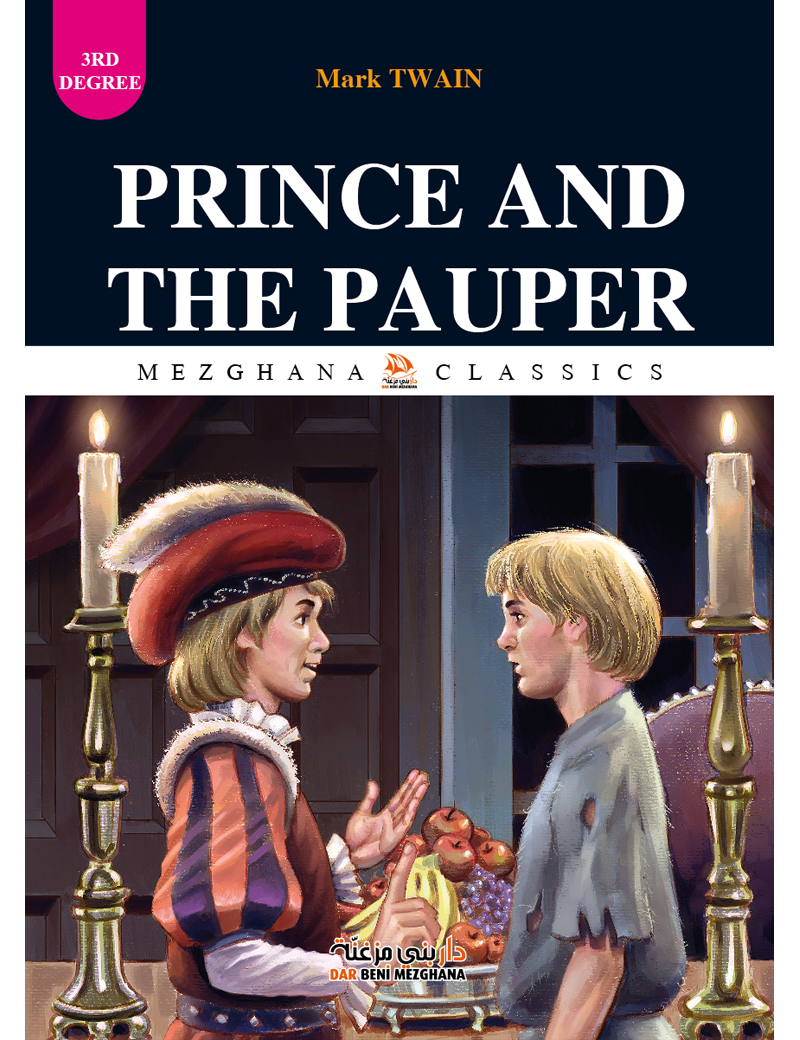
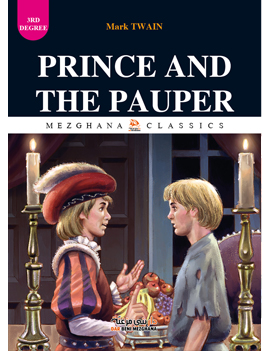
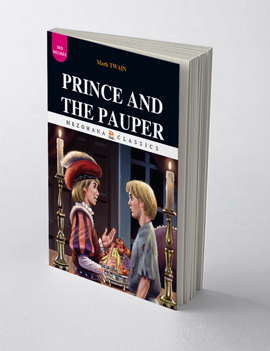
Born on the same day, a prince and a pauper grow up to experience very different lives. While Tom, the pauper, is unwanted by his family, Prince Edward grows up to be celebrated by the entire nation. However, fate has other plans for the two identical young men. What happens when the two accidentally swap lives? Will they be able to convince people of this error? Will they survive in these polar opposite worlds? Read the Prince and the Pauper to experience two wildly different worlds, and find out how the boys navigate through their adventures.
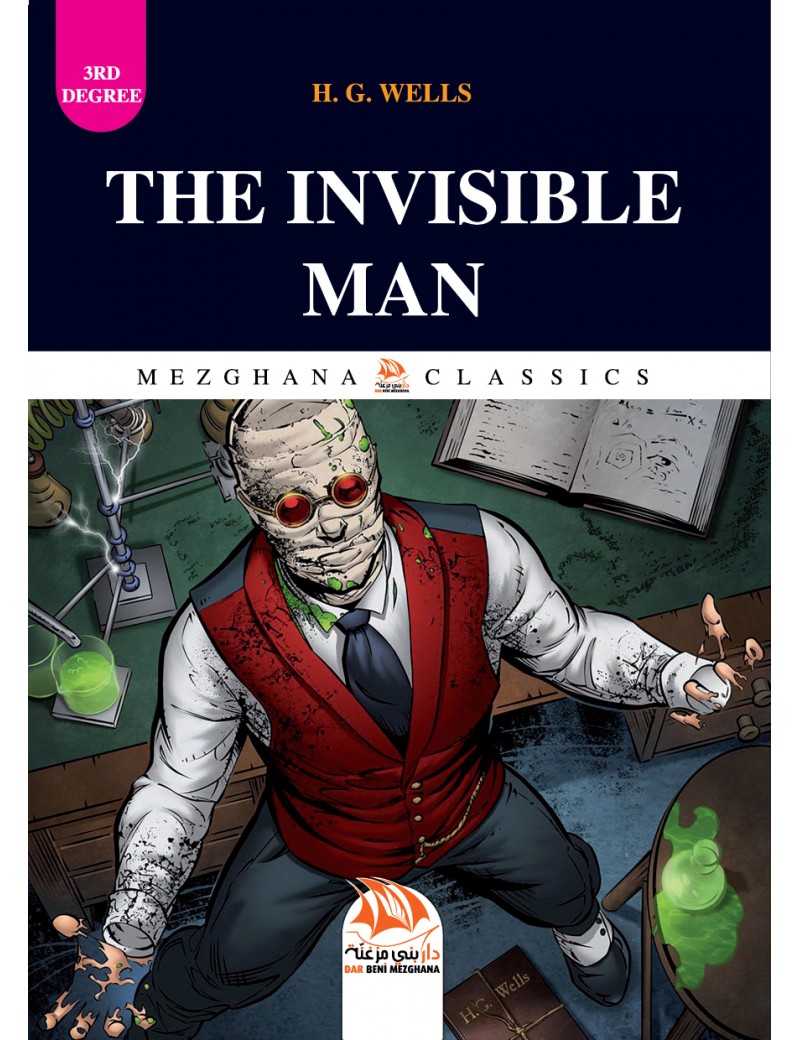
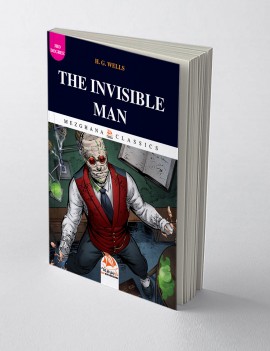
L'Homme invisible (The Invisible Man) est un roman de science-fiction de H. G. Wells, publié en 1897.
The Invisible Man is a science fiction novel by H. G. Wells. Originally serialized in Pearson's Weekly in 1897, it was published as a novel the same year. The Invisible Man the title refers to is Griffin, a scientist who has devoted himself to research into optics and invents a way to change a body's refractive index to that of air so that it neither absorbs nor reflects light and thus becomes invisible. He successfully carries out this procedure on himself, but fails in his attempt to reverse it. An enthusiast of random and irresponsible violence, Griffin has become an iconic character in horror fiction.
There are 2 items in your cart.
مجموع المنتجات: $150.00
مجموع التوصيل: free
المجموع: $150.00(tax incl.)
جاري تحميل المعاينة…
المعاينة غير متوفرة.