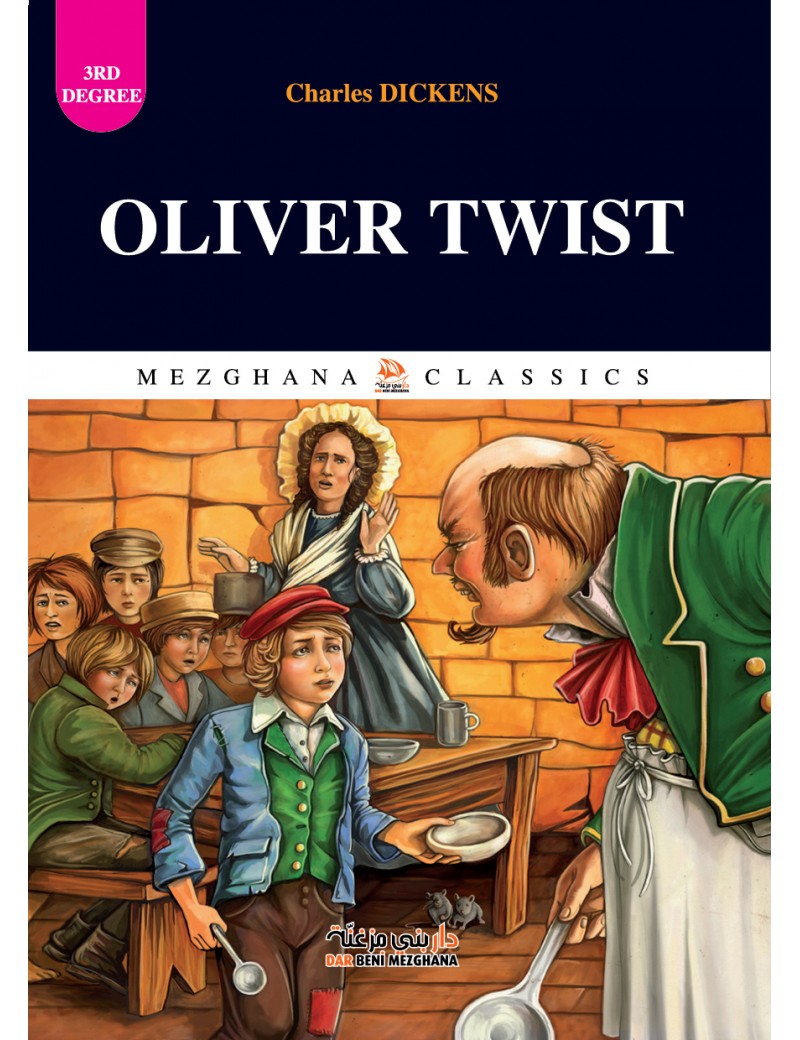
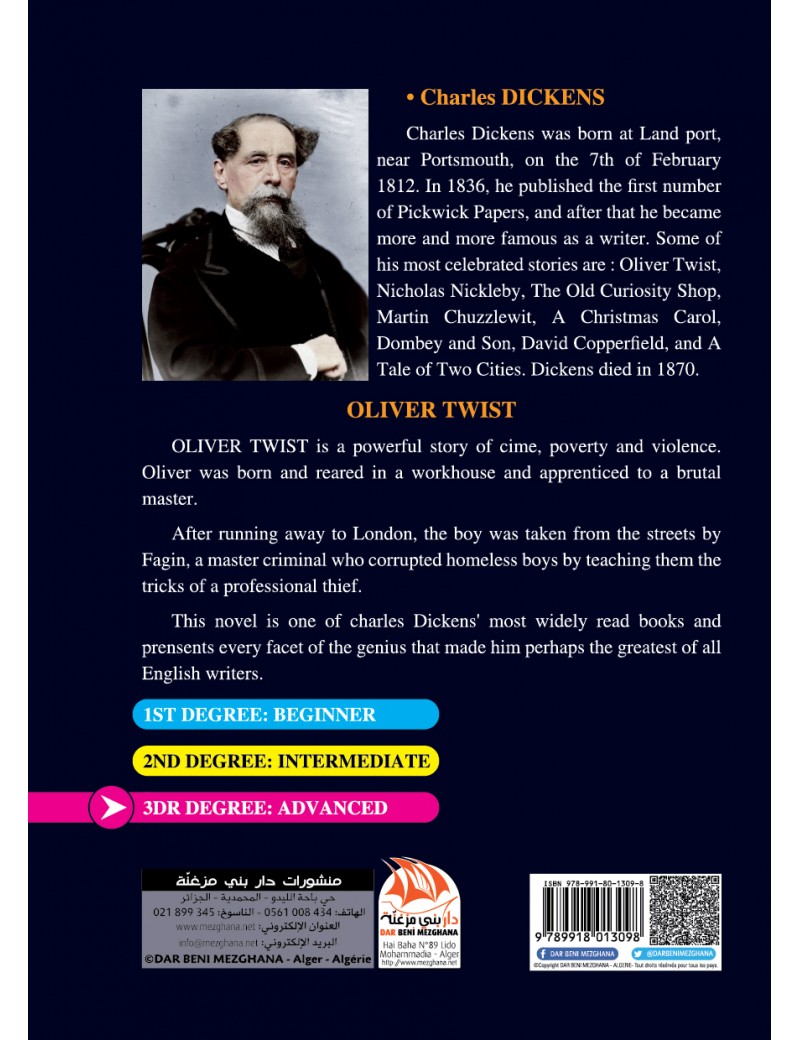
Oliver Twist, de son titre complet en anglais : Oliver Twist, or The Parish Boy's Progress, l'un des romans les plus universellement connus de Charles Dickens, a été publié en trente-deux feuilletons mensuels dans la revue Bentley's Miscellany, entre février 1837 et avril 1839, juin et octobre 1837 exceptés.
Available
The story centres on orphan Oliver Twist, born in a workhouse and sold into apprenticeship with an undertaker. After escaping, Oliver travels to London, where he meets the "Artful Dodger", a member of a gang of juvenile pickpockets led by the elderly criminal Fagin.
Oliver Twist is notable for its unromantic portrayal of criminals and their sordid lives, as well as for exposing the cruel treatment of the many orphans in London in the mid-19th century. The alternative title, The Parish Boy's Progress, alludes to Bunyan's The Pilgrim's Progress, as well as the 18th-century caricature series by William Hogarth, A Rake's Progress and A Harlot's Progress.
In this early example of the social novel, Dickens satirises the hypocrisies of his time, including child labour, the recruitment of children as criminals, and the presence of street children. The novel may have been inspired by the story of Robert Blincoe, an orphan whose account of working as a child labourer in a cotton mill was widely read in the 1830s. It is likely that Dickens's own experiences as a youth contributed as well.
Oliver Twist has been the subject of numerous adaptations for various media, including a highly successful musical play, Oliver!, and the multiple Academy Award-winning 1968 motion picture. Disney also put its spin on the novel with the animated film called Oliver & Company in 1988.
L'Appel de la forêt (titre original : The Call of the Wild) est un roman de l'écrivain américain Jack London publié aux États-Unis en 1903.
En France, le roman paraît pour la première fois sous forme de volume en 1906.
Le roman relate comment un chien domestique, vendu à la suite d'un concours de circonstances comme chien de traîneau à l'époque de la ruée vers l'or, revient à ses instincts naturels une fois confronté aux pièges et à la rudesse du territoire du Yukon.
During the Reign of Terror in France, Doctor Alexandre Manette finds himself free after eighteen years of imprisonment in the Bastille. Reunited with his daughter, Lucie Manette, in England, he becomes acquainted with an exiled French aristocrat, Charles Darnay, and an English lawyer of ill repute, Sydney Carton, both of whom are in love with Lucie. Find out how this unsuspecting love triangle gets drawn into the horrors of the revolution, and how they fight their way out of it!
Les Aventures de Tom Sawyer (Edition Anglaise Abrégée et Illustrée - Titre original : The Adventures of Tom Sawyer) est le premier roman que Mark Twain écrit seul. Il est publié en 1876, d'abord en Angleterre en juin, puis aux États-Unis en décembre.
Mark Twain y conte les aventures d'un garçon du sud des États-Unis, Tom Sawyer, vers 1844, avant la guerre de Sécession, dans la ville fictive de Saint-Petersburg au Missouri, sur la rive droite du Mississippi. En partie autobiographique, l'histoire s'inspire, du moins dans ses premiers chapitres, de l'enfance de l'auteur, passée à Hannibal au Missouri et recréée par la fiction autour du jeune protagoniste dont la personnalité domine le roman.
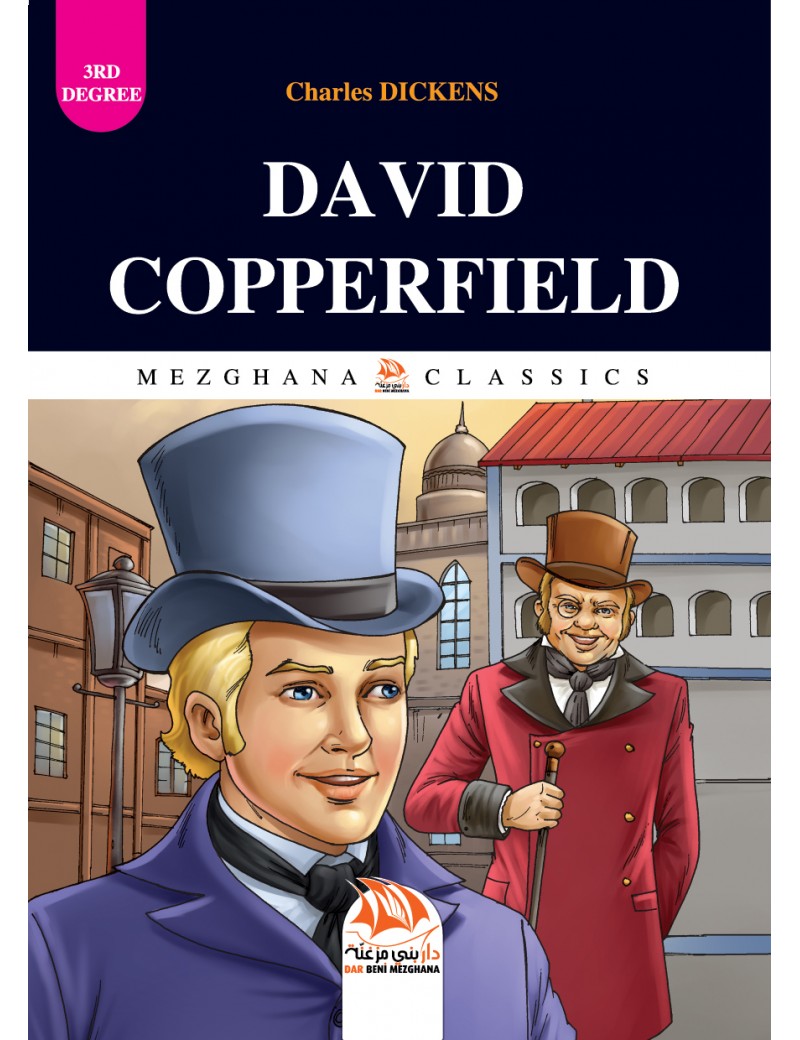
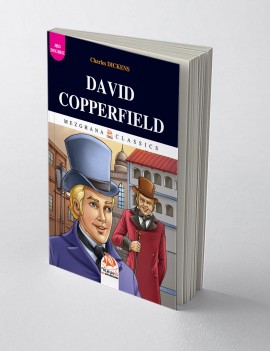
David Copperfield est le huitième roman de Charles Dickens et le premier de cet auteur à présenter un narrateur à la première personne. Il a été publié en vingt numéros et dix-neuf parutions, par Bradbury and Evans, entre 1849 et 1850, avec des illustrations de Hablot Knight Browne, dit Phiz.
Beaucoup considèrent ce roman comme le chef-d'œuvre de Dickens, à commencer par son ami et premier biographe John Forster.
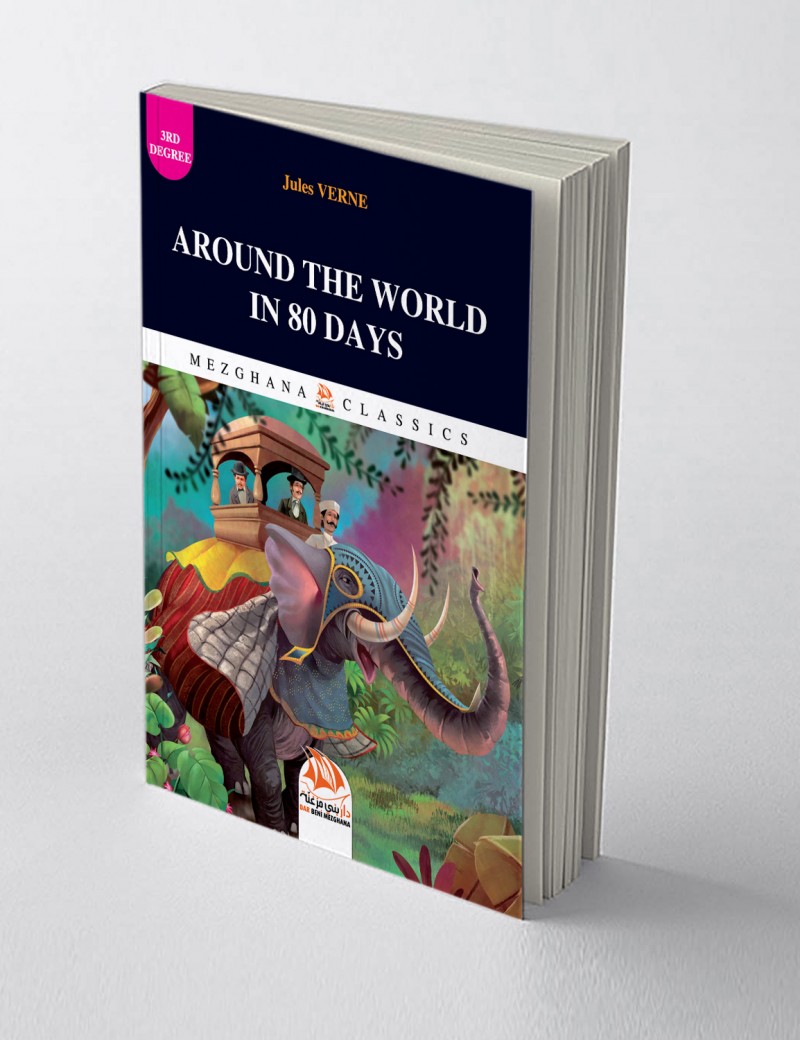
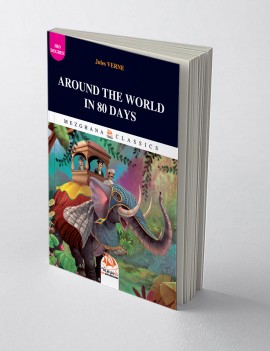
Le Tour du monde en quatre-vingts jours (Around the World in Eighty Days) est un roman d'aventures de Jules Verne, publié en 1872.
Le roman raconte la course autour du monde d'un gentleman anglais, Phileas Fogg, qui a fait le pari d'y parvenir en quatre-vingts jours. Il est accompagné par Jean Passepartout, son serviteur français. L'ensemble du roman mêle récit de voyage (traditionnel pour Jules Verne) et données scientifiques comme celle utilisée pour le rebondissement de la chute du roman.
Robinson Crusoé est un roman d'aventures anglais de Daniel Defoe, publié en 1719. L'histoire s'inspire très librement de la vie d'Alexandre Selkirk. Écrit à la première personne, l'intrigue principale du roman se déroule sur une île déserte où Robinson, après avoir fait naufrage, vécut pendant 28 ans. Durant son séjour, il fit connaissance d'un « sauvage » qu'il nomma Vendredi. Les deux compagnons vécurent ensemble pendant plusieurs années avant de pouvoir quitter l'île.
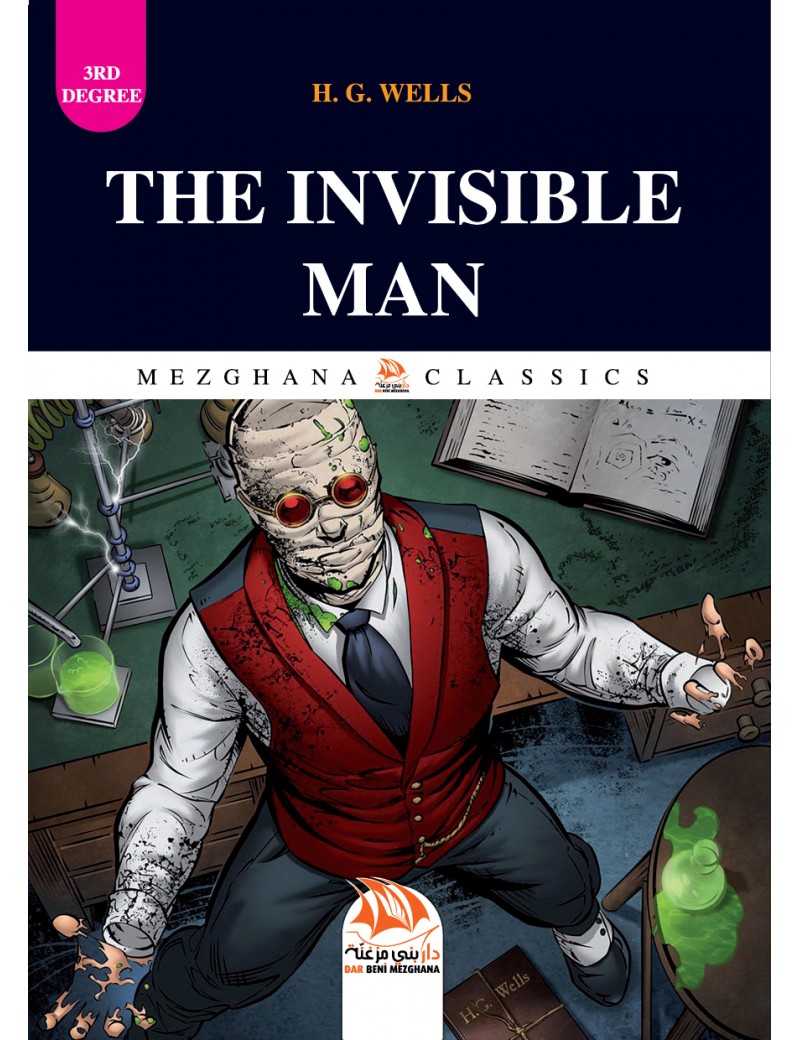
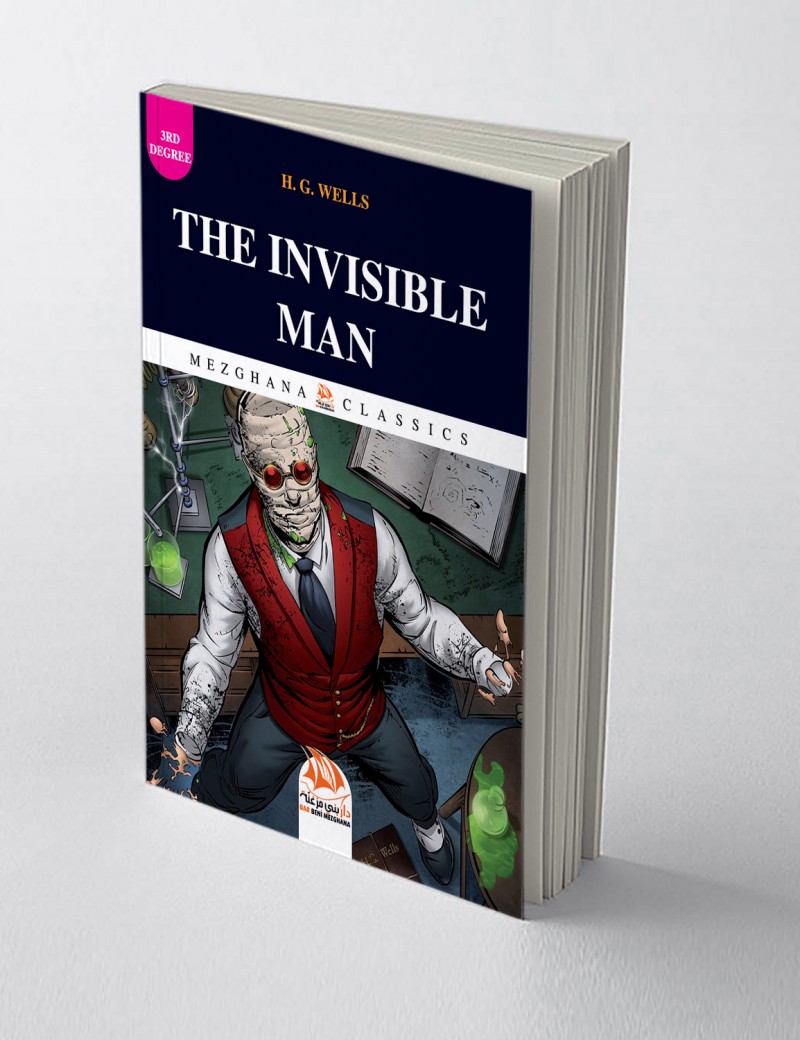
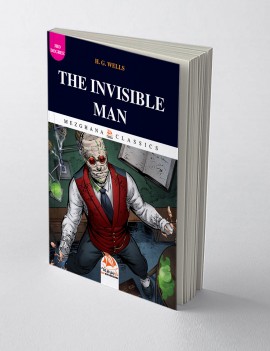
L'Homme invisible (The Invisible Man) est un roman de science-fiction de H. G. Wells, publié en 1897.
The Invisible Man is a science fiction novel by H. G. Wells. Originally serialized in Pearson's Weekly in 1897, it was published as a novel the same year. The Invisible Man the title refers to is Griffin, a scientist who has devoted himself to research into optics and invents a way to change a body's refractive index to that of air so that it neither absorbs nor reflects light and thus becomes invisible. He successfully carries out this procedure on himself, but fails in his attempt to reverse it. An enthusiast of random and irresponsible violence, Griffin has become an iconic character in horror fiction.
There are 2 items in your cart.
Total products: $150.00
Total shipping: free
Total: $150.00(tax incl.)
Loading preview…
Preview unavailable.