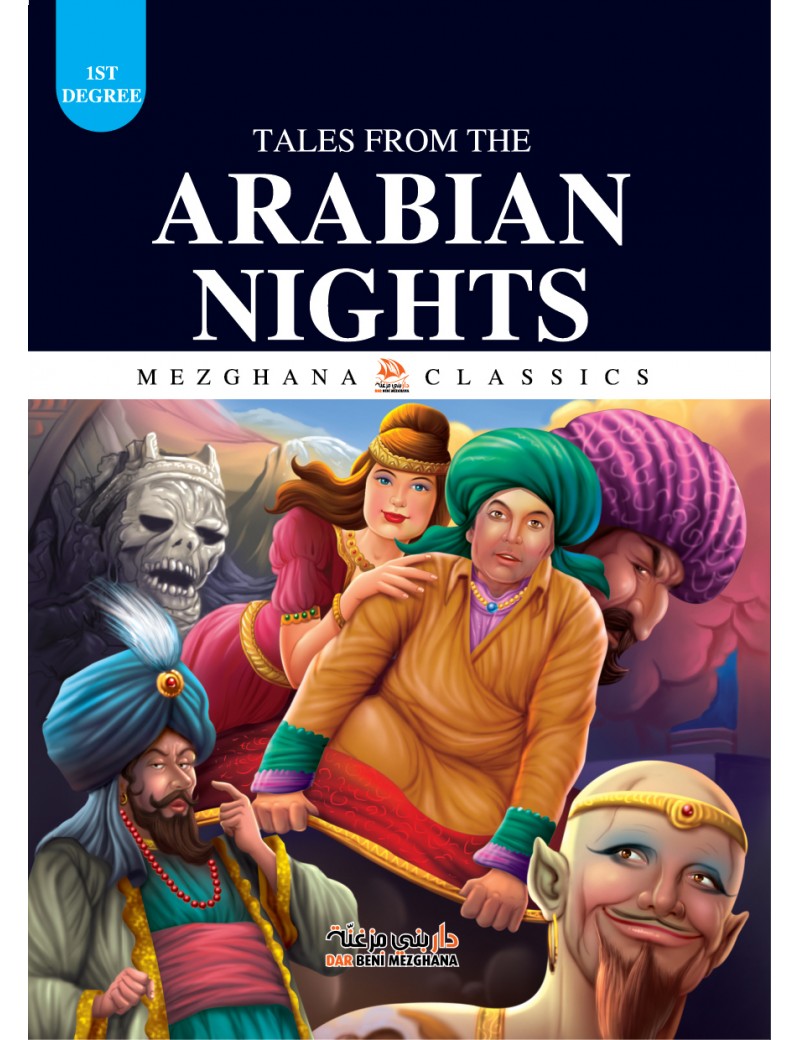
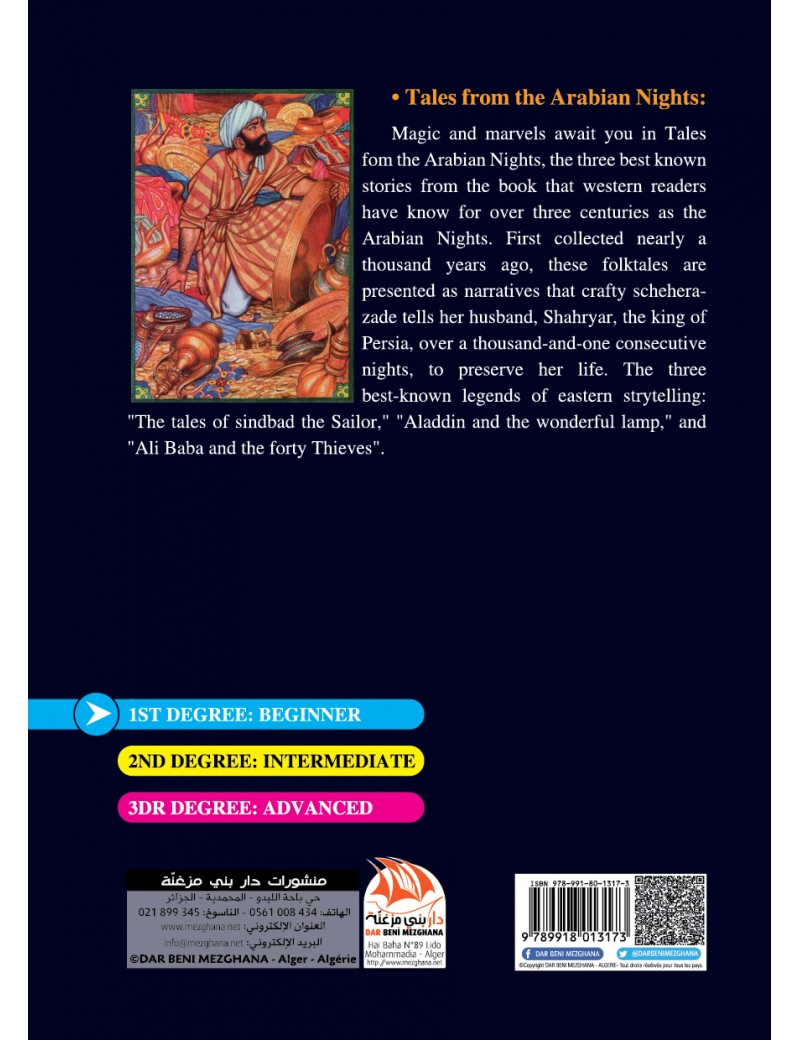
Les Mille et Une Nuits (Arabian nights), est un recueil anonyme de contes populaires d'origine arabe mais aussi persane et indienne écrit en langue arabe. Il est constitué de nombreux contes enchâssés et de personnages mis en miroir les uns par rapport aux autres.
Disponible
One Thousand and One Nights (Arabic: أَلْفُ لَيْلَةٍ وَلَيْلَةٌ, ʾAlf Laylah wa-Laylah) is a collection of Middle Eastern folk tales compiled in Arabic during the Islamic Golden Age. It is often known in English as the Arabian Nights, from the first English-language edition (c. 1706 – 1721), which rendered the title as The Arabian Nights' Entertainment.
The work was collected over many centuries by various authors, translators, and scholars across West, Central and South Asia, and North Africa. Some tales themselves trace their roots back to ancient and medieval Arabic, Persian, Indian, Greek, Jewish and Turkish folklore and literature. In particular, many tales were originally folk stories from the Abbasid and Mamluk eras, while others, especially the frame story, are most probably drawn from the Pahlavi Persian work Hezār Afsān (Persian: هزار افسان, lit. A Thousand Tales), which in turn relied partly on Indian elements.
What is common throughout all the editions of the Nights is the initial frame story of the ruler Shahryār and his wife Scheherazade and the framing device incorporated throughout the tales themselves. The stories proceed from this original tale; some are framed within other tales, while others are self-contained. Some editions contain only a few hundred nights, while others include 1,001 or more. The bulk of the text is in prose, although verse is occasionally used for songs and riddles and to express heightened emotion. Most of the poems are single couplets or quatrains, although some are longer.
Some of the stories commonly associated with The Nights, in particular "Aladdin's Wonderful Lamp", "Ali Baba and the Forty Thieves", and "The Seven Voyages of Sinbad the Sailor", were not part of The Nights in its original Arabic versions but were added to the collection by Antoine Galland and other European translators.
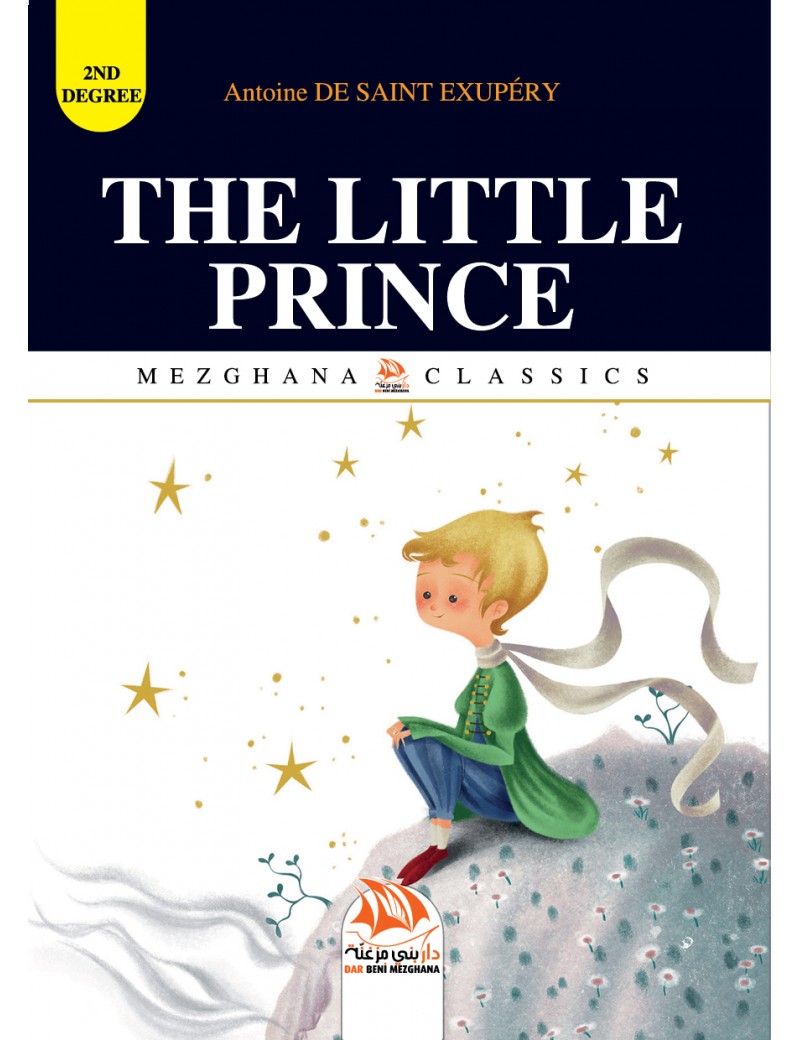
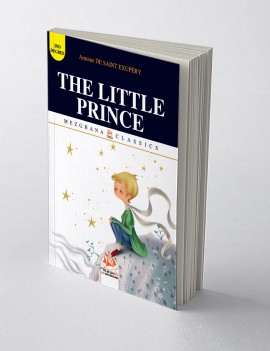
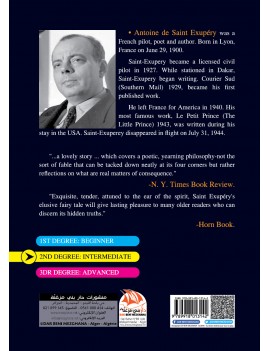
Le Petit Prince (The Little Prince) est une œuvre de langue française, la plus connue d'Antoine de Saint-Exupéry. Publié en 1943 à New York simultanément à sa traduction anglaise, c'est une œuvre poétique et philosophique sous l'apparence d'un conte pour enfants.
Traduit en trois cent soixante et une langues.
Le langage, simple et dépouillé, parce qu'il est destiné à être compris par des enfants, est en réalité pour le narrateur le véhicule privilégié d'une conception symbolique de la vie. Chaque chapitre relate une rencontre du petit prince qui laisse celui-ci perplexe, par rapport aux comportements absurdes des « grandes personnes ». Ces différentes rencontres peuvent être lues comme une allégorie.
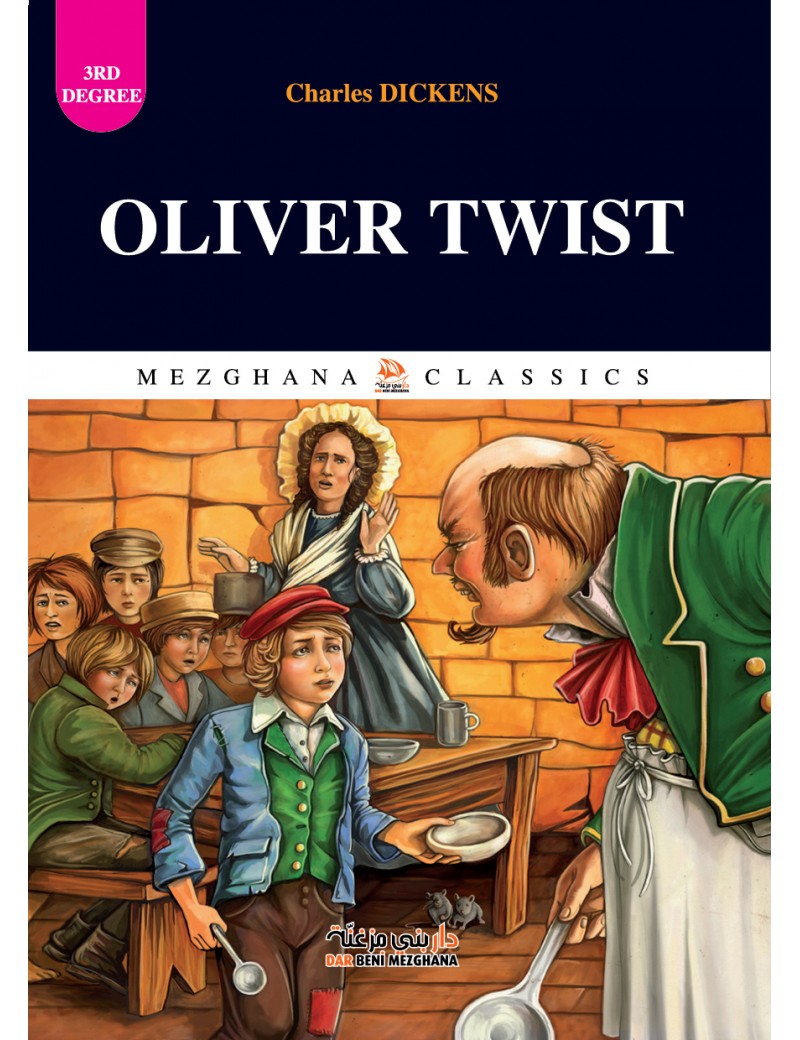
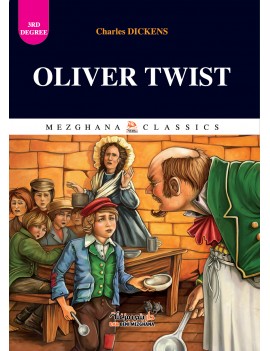
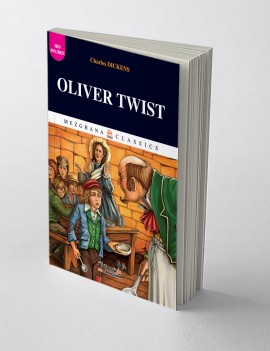
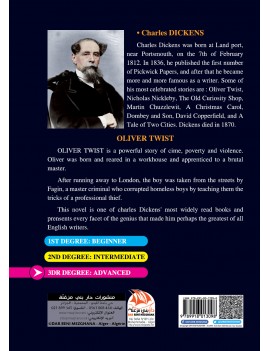
Oliver Twist, de son titre complet en anglais : Oliver Twist, or The Parish Boy's Progress, l'un des romans les plus universellement connus de Charles Dickens, a été publié en trente-deux feuilletons mensuels dans la revue Bentley's Miscellany, entre février 1837 et avril 1839, juin et octobre 1837 exceptés.
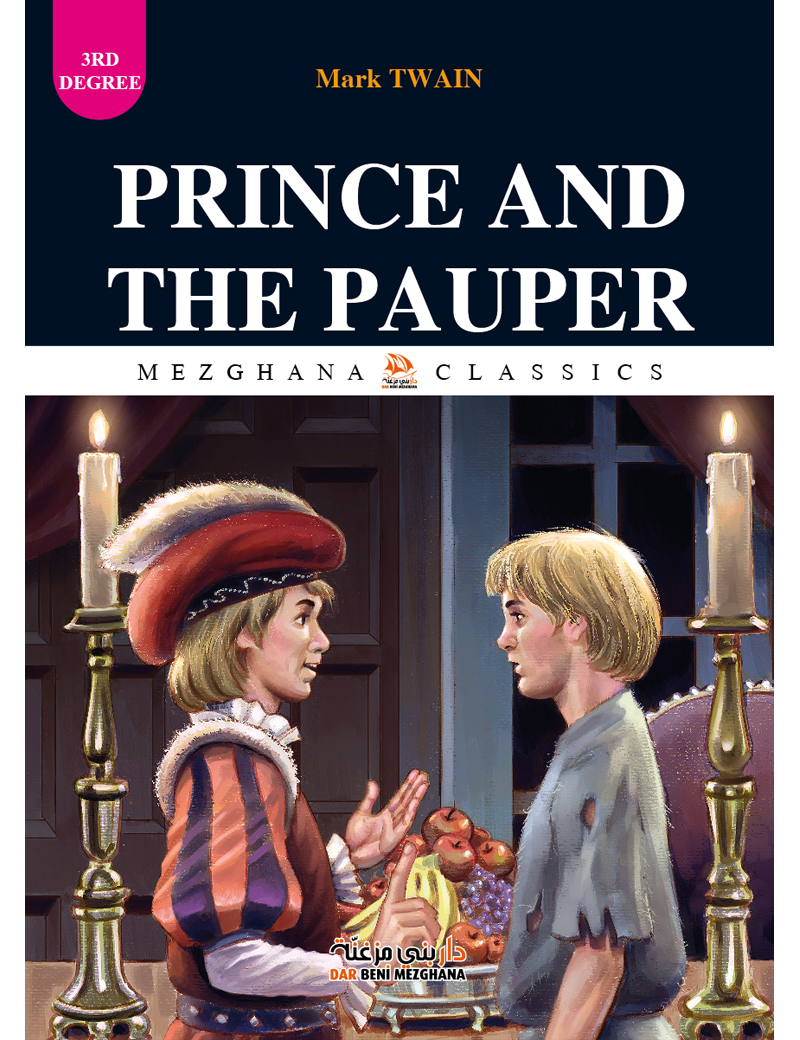
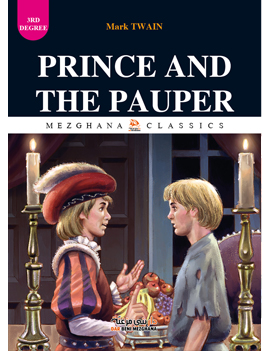
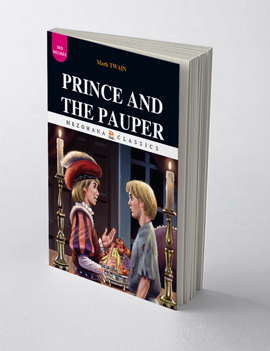
Born on the same day, a prince and a pauper grow up to experience very different lives. While Tom, the pauper, is unwanted by his family, Prince Edward grows up to be celebrated by the entire nation. However, fate has other plans for the two identical young men. What happens when the two accidentally swap lives? Will they be able to convince people of this error? Will they survive in these polar opposite worlds? Read the Prince and the Pauper to experience two wildly different worlds, and find out how the boys navigate through their adventures.
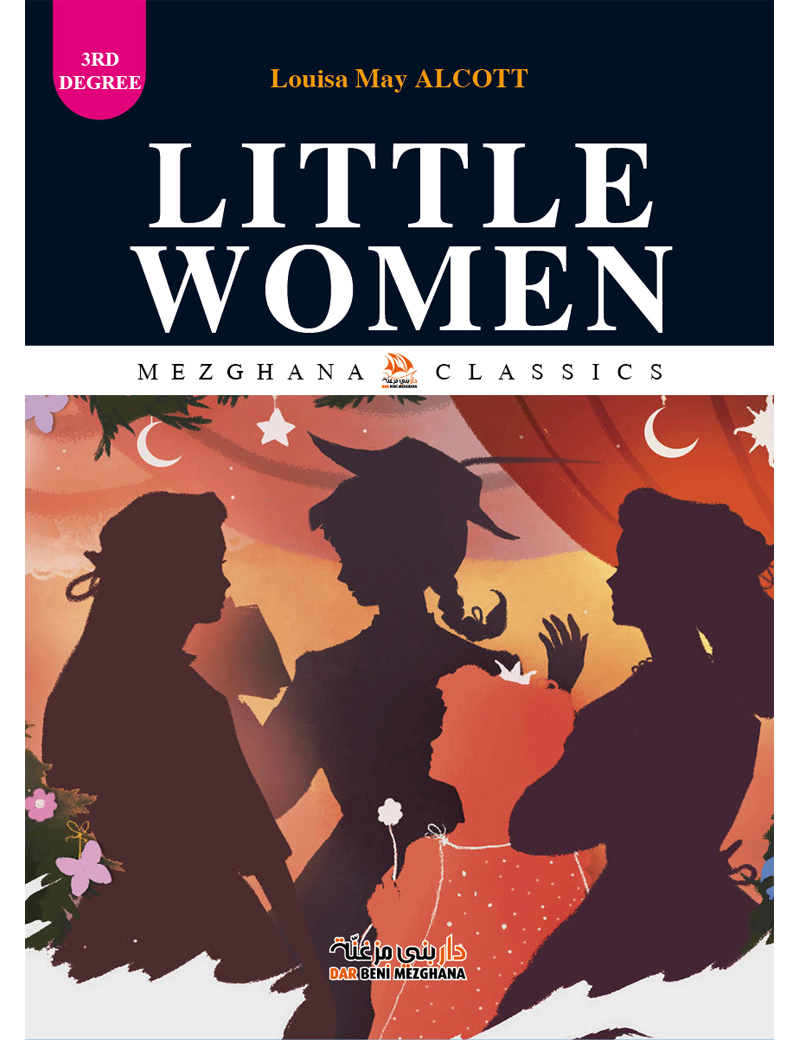
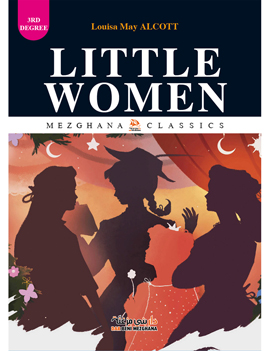
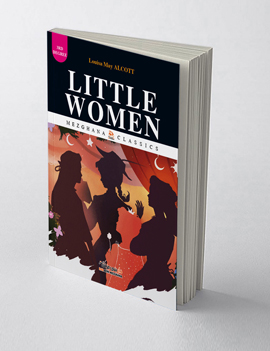
Little Women is a heart-warming tale of four sisters―Meg, Jo, Beth, and Amy―and their journey from childhood to womanhood in New England. It encapsulates the sisters’ vivid and varied dreams, struggles and hopes as they challenge society’s norms. Pick up this beautifully illustrated book to join them on their journey of transformation as they explore what it means to be a woman fighting for her place in the world.
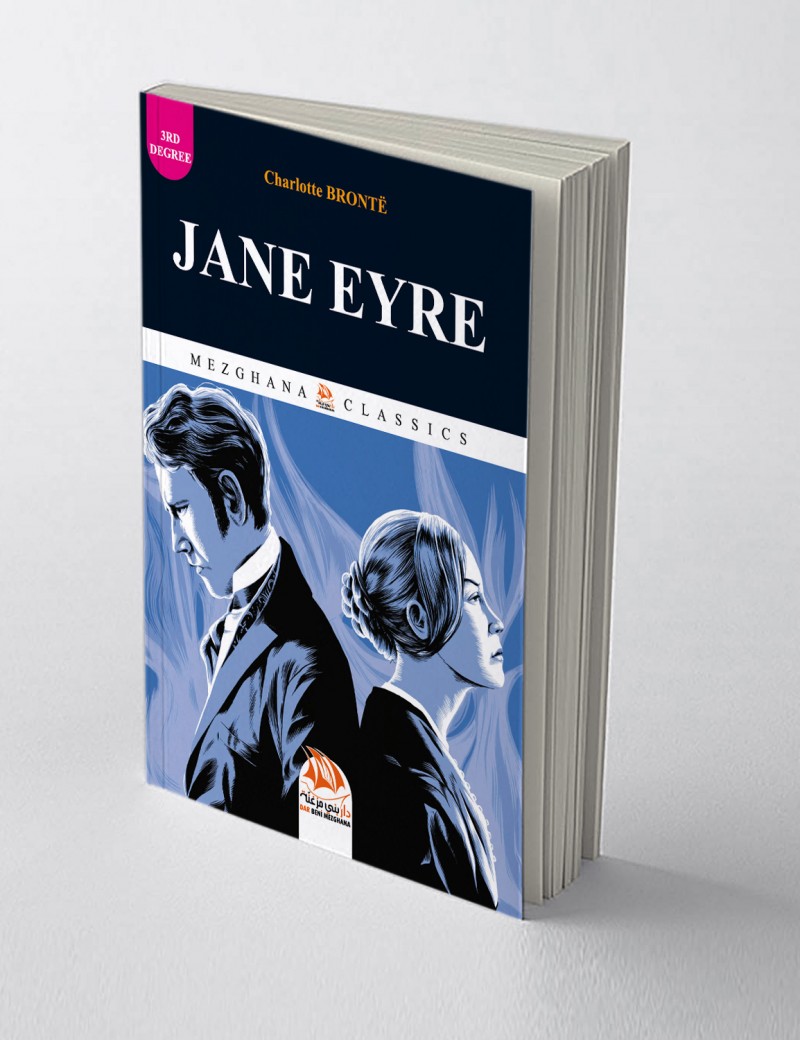
Jane Eyre est le premier roman publié de Charlotte Brontë, dont le livre précédent, Le Professeur, avait été refusé par sept éditeurs. Charlotte Brontë amorce la rédaction de Jane Eyre en août 1846, et l'achève un an plus tard. Le livre est accepté par la maison d’édition Smith, Elder & Co. et publié en octobre 1847, sous le pseudonyme de Currer Bell. Le succès est immédiat au point de précipiter la parution déjà prévue des romans Les Hauts de Hurlevent et Agnès Grey des sœurs de Charlotte, Emily (alias Ellis Bell) et Anne (alias Acton Bell). En décembre 1847, Jane Eyre fait l'objet d'une seconde édition que Charlotte dédie au romancier William Makepeace Thackeray.
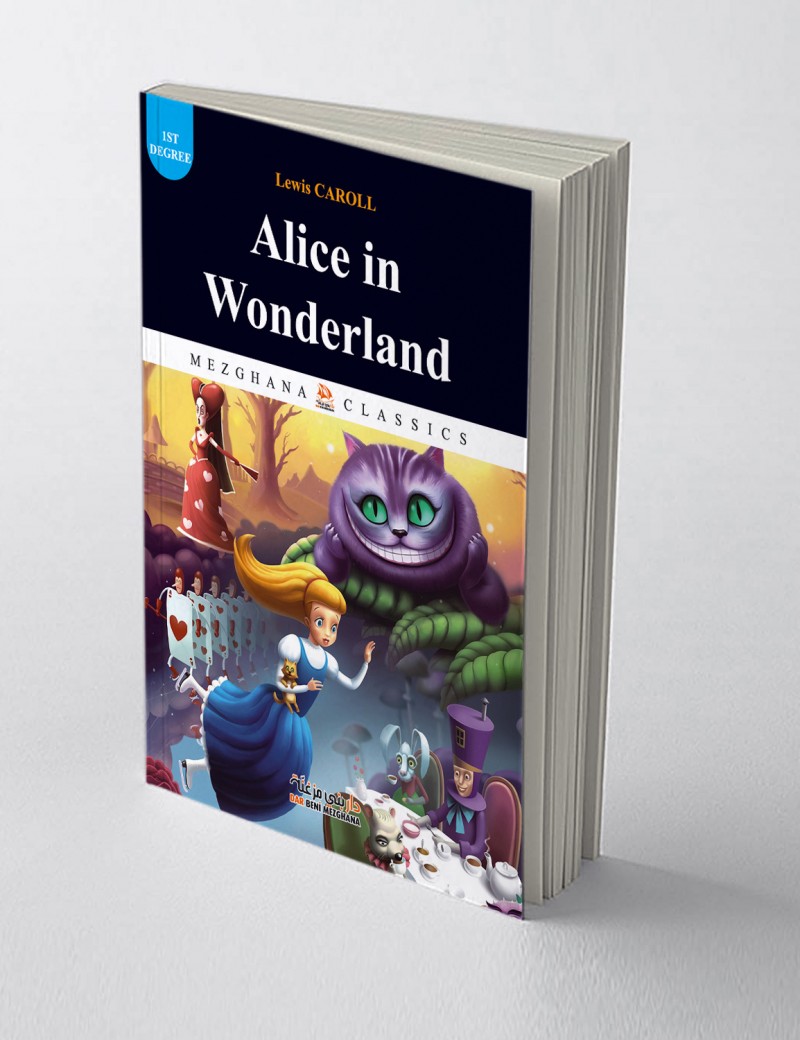
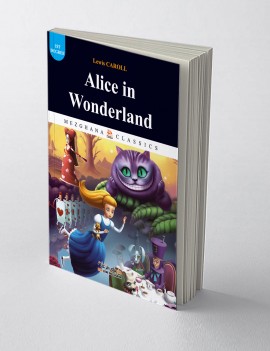
Les Aventures d'Alice au pays des merveilles (titre original : Alice's Adventures in Wonderland), fréquemment abrégé en Alice au pays des merveilles, est un roman écrit en 1865 par Lewis Carroll, nom de plume de Charles Lutwidge Dodgson.
Le livre a connu une suite intitulée De l'autre côté du miroir. Les adaptations cinématographiques combinent souvent des éléments des deux livres.
L'ouvrage reste populaire au xxie siècle, aussi bien auprès des enfants que des adultes. L'écrivain américain Martin Gardner a publié The Annotated Alice (non traduit en français) qui regroupe Alice au pays des merveilles et De l'autre côté du miroir accompagnés des poèmes victoriens que Lewis Carroll parodia dans le corps du texte.
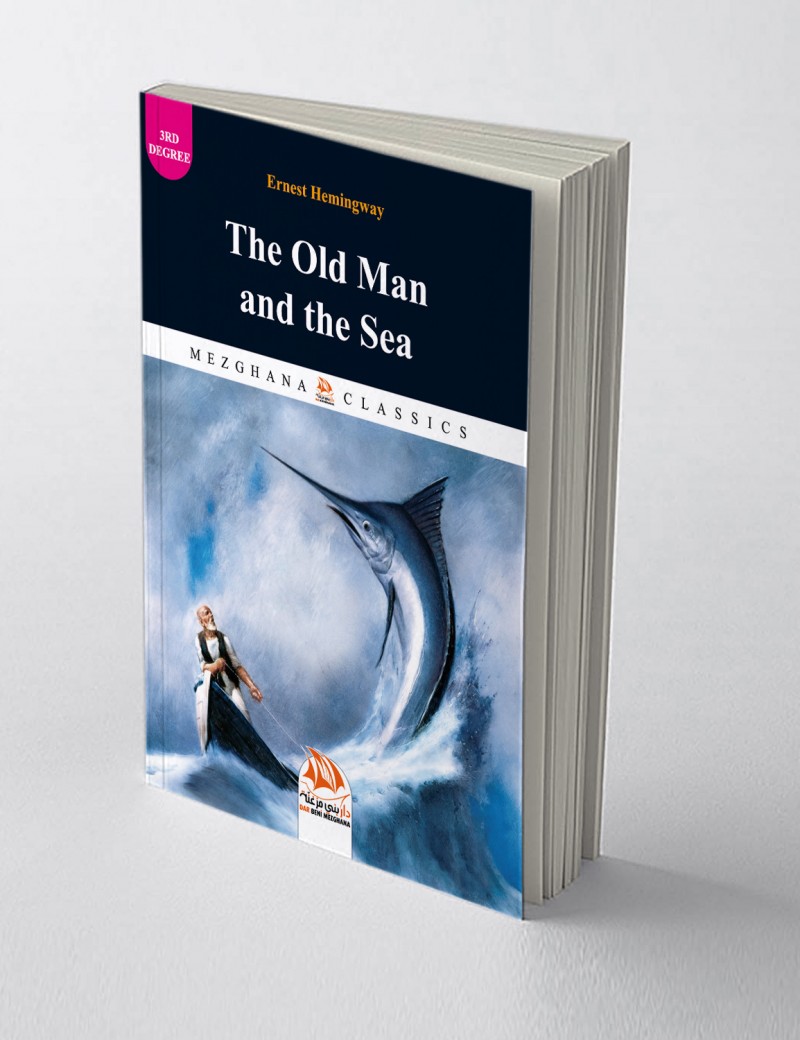
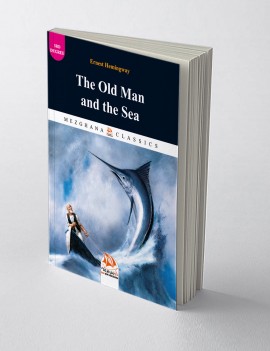
Le Vieil Homme et la Mer (The Old Man and the Sea en anglais) est un court roman écrit par l'écrivain américain Ernest Hemingway à Cuba en 1951 et publié en 1952. Il s'agit de la dernière œuvre de fiction majeure produite par Hemingway et publiée de son vivant. Elle demeure son œuvre la plus célèbre. Elle traite d'un vieux pêcheur cubain appelé Santiago, en lutte avec un énorme marlin au large du Gulf Stream. Bien que le roman ait été l'objet de critiques disparates, la sélection de son auteur pour le prix Nobel de littérature en 1954 réaffirme dans la littérature mondiale l'importance et la portée de l'ensemble des créations d'Hemingway et dans la fiction du xxe siècle.
Cet ouvrage lui valut le double honneur du prix Pulitzer le 4 mai 1953 et du prix Nobel de littérature en 1954.
There are 2 items in your cart.
Total products: $150.00
Total shipping: free
Total: $150.00(tax incl.)
Chargement de l’aperçu…
Aperçu non disponible.