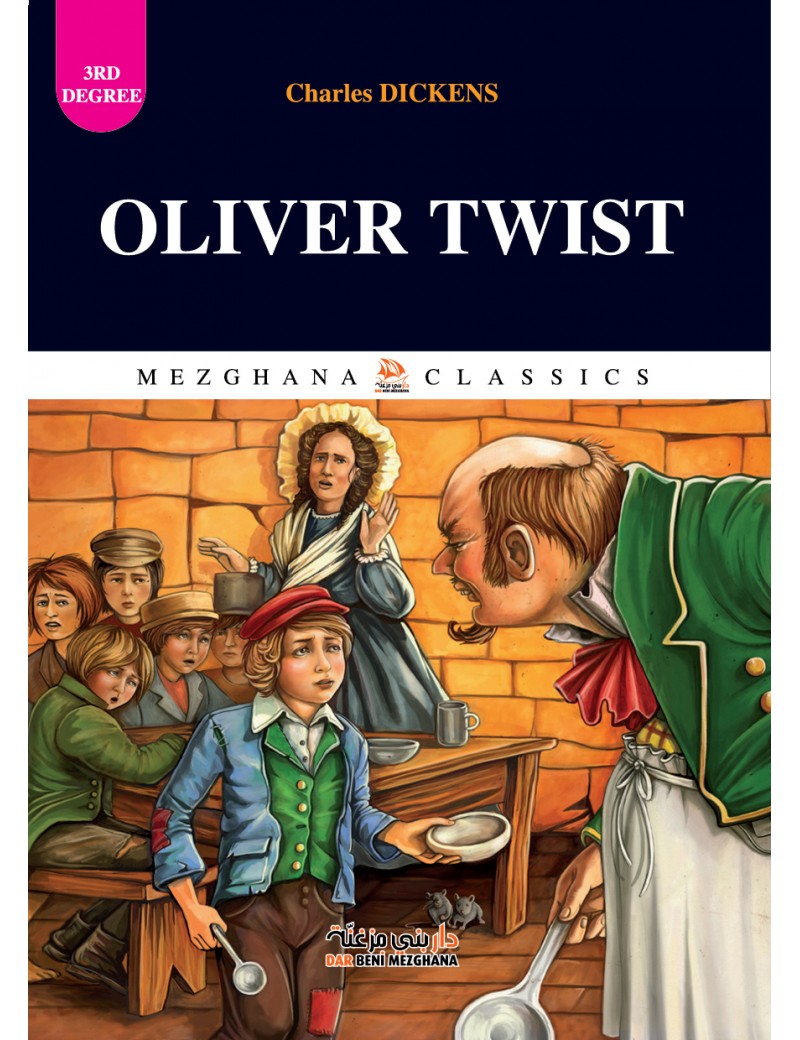
Oliver Twist, de son titre complet en anglais : Oliver Twist, or The Parish Boy's Progress, l'un des romans les plus universellement connus de Charles Dickens, a été publié en trente-deux feuilletons mensuels dans la revue Bentley's Miscellany, entre février 1837 et avril 1839, juin et octobre 1837 exceptés.
Disponible
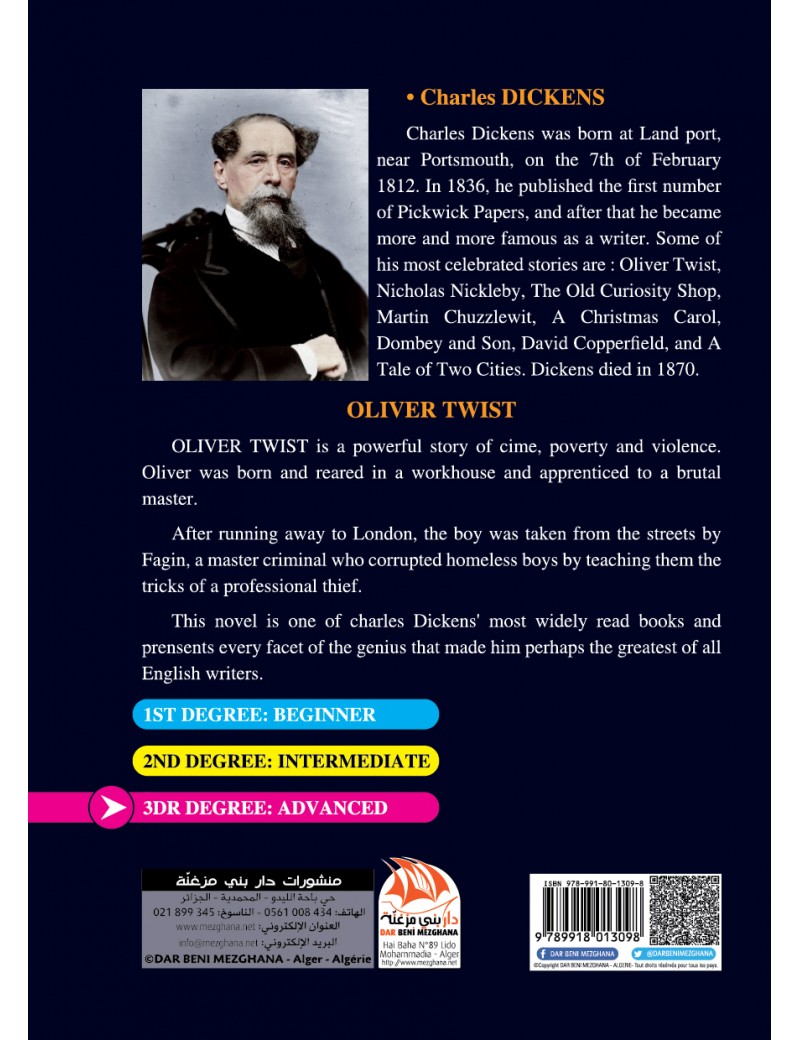
The story centres on orphan Oliver Twist, born in a workhouse and sold into apprenticeship with an undertaker. After escaping, Oliver travels to London, where he meets the "Artful Dodger", a member of a gang of juvenile pickpockets led by the elderly criminal Fagin.
Oliver Twist is notable for its unromantic portrayal of criminals and their sordid lives, as well as for exposing the cruel treatment of the many orphans in London in the mid-19th century. The alternative title, The Parish Boy's Progress, alludes to Bunyan's The Pilgrim's Progress, as well as the 18th-century caricature series by William Hogarth, A Rake's Progress and A Harlot's Progress.
In this early example of the social novel, Dickens satirises the hypocrisies of his time, including child labour, the recruitment of children as criminals, and the presence of street children. The novel may have been inspired by the story of Robert Blincoe, an orphan whose account of working as a child labourer in a cotton mill was widely read in the 1830s. It is likely that Dickens's own experiences as a youth contributed as well.
Oliver Twist has been the subject of numerous adaptations for various media, including a highly successful musical play, Oliver!, and the multiple Academy Award-winning 1968 motion picture. Disney also put its spin on the novel with the animated film called Oliver & Company in 1988.
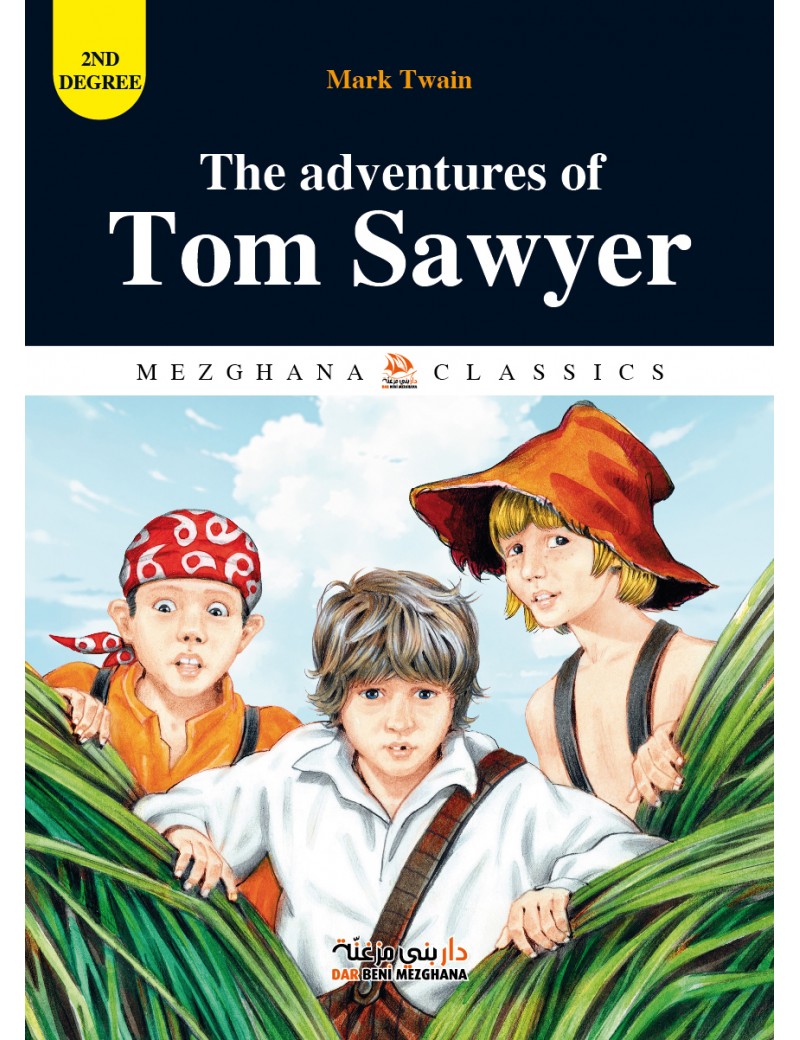
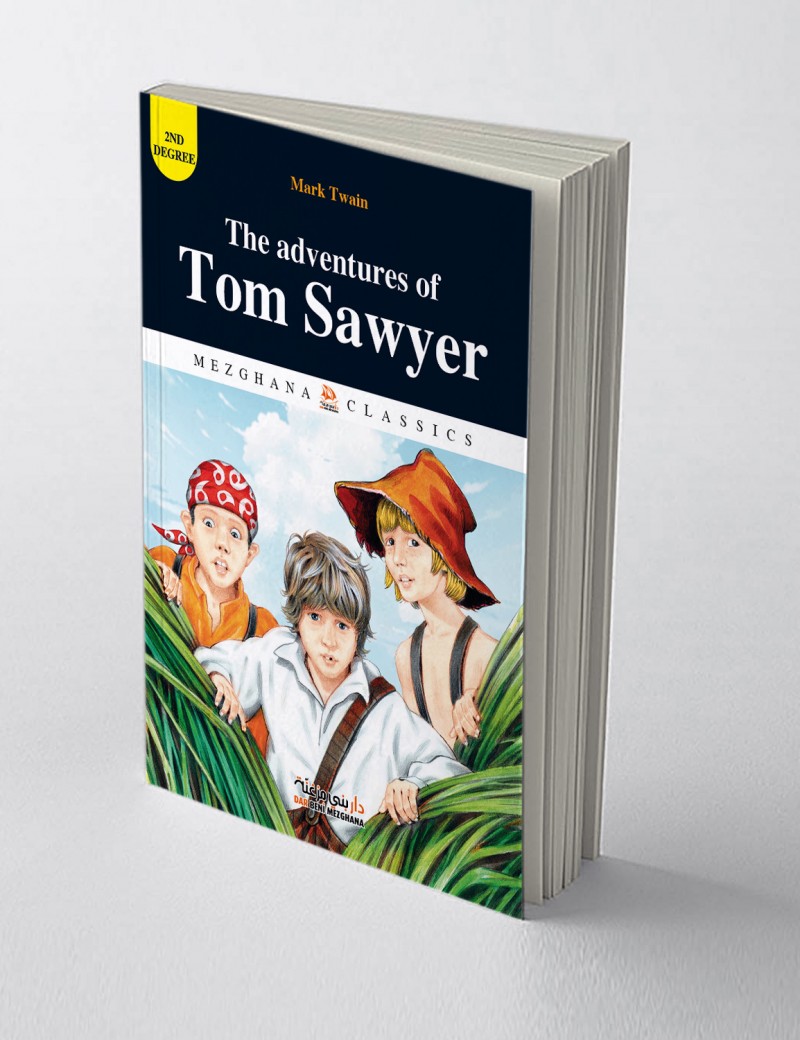
Les Aventures de Tom Sawyer (Edition Anglaise Abrégée et Illustrée - Titre original : The Adventures of Tom Sawyer) est le premier roman que Mark Twain écrit seul. Il est publié en 1876, d'abord en Angleterre en juin, puis aux États-Unis en décembre.
Mark Twain y conte les aventures d'un garçon du sud des États-Unis, Tom Sawyer, vers 1844, avant la guerre de Sécession, dans la ville fictive de Saint-Petersburg au Missouri, sur la rive droite du Mississippi. En partie autobiographique, l'histoire s'inspire, du moins dans ses premiers chapitres, de l'enfance de l'auteur, passée à Hannibal au Missouri et recréée par la fiction autour du jeune protagoniste dont la personnalité domine le roman.
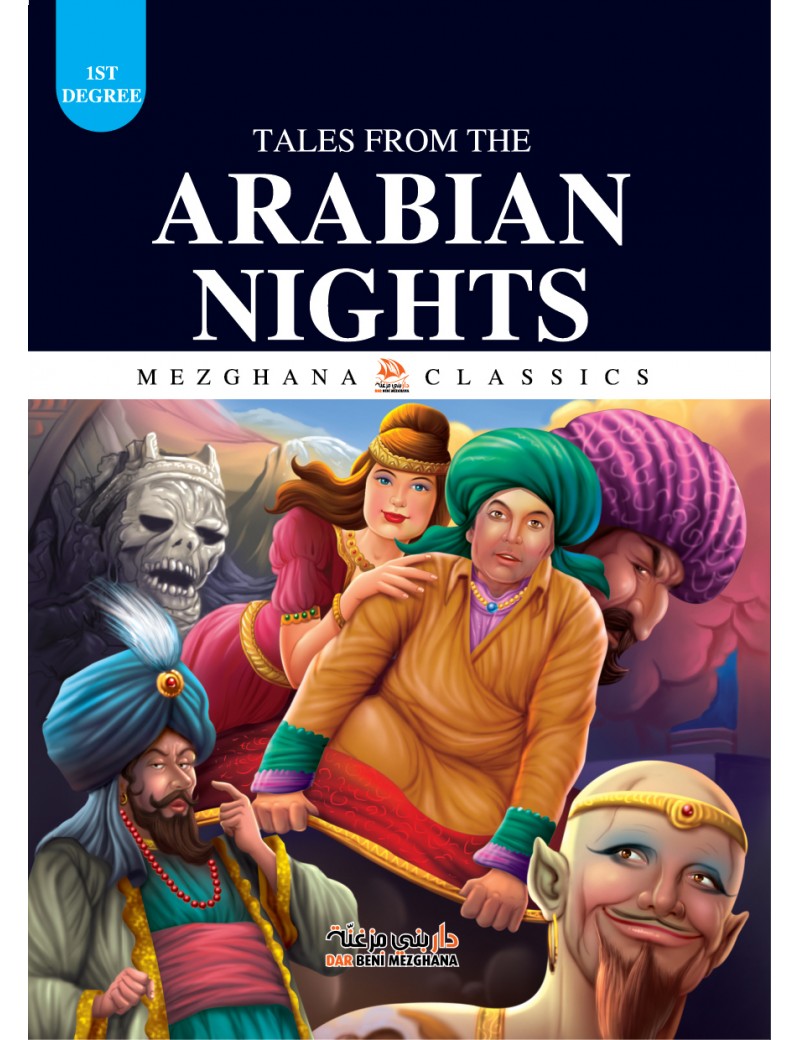
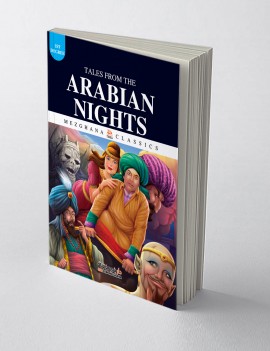
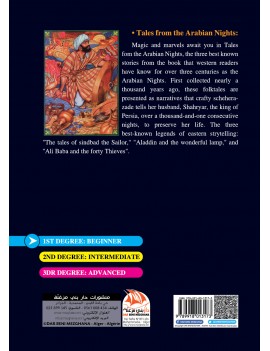
Les Mille et Une Nuits (Arabian nights), est un recueil anonyme de contes populaires d'origine arabe mais aussi persane et indienne écrit en langue arabe. Il est constitué de nombreux contes enchâssés et de personnages mis en miroir les uns par rapport aux autres.
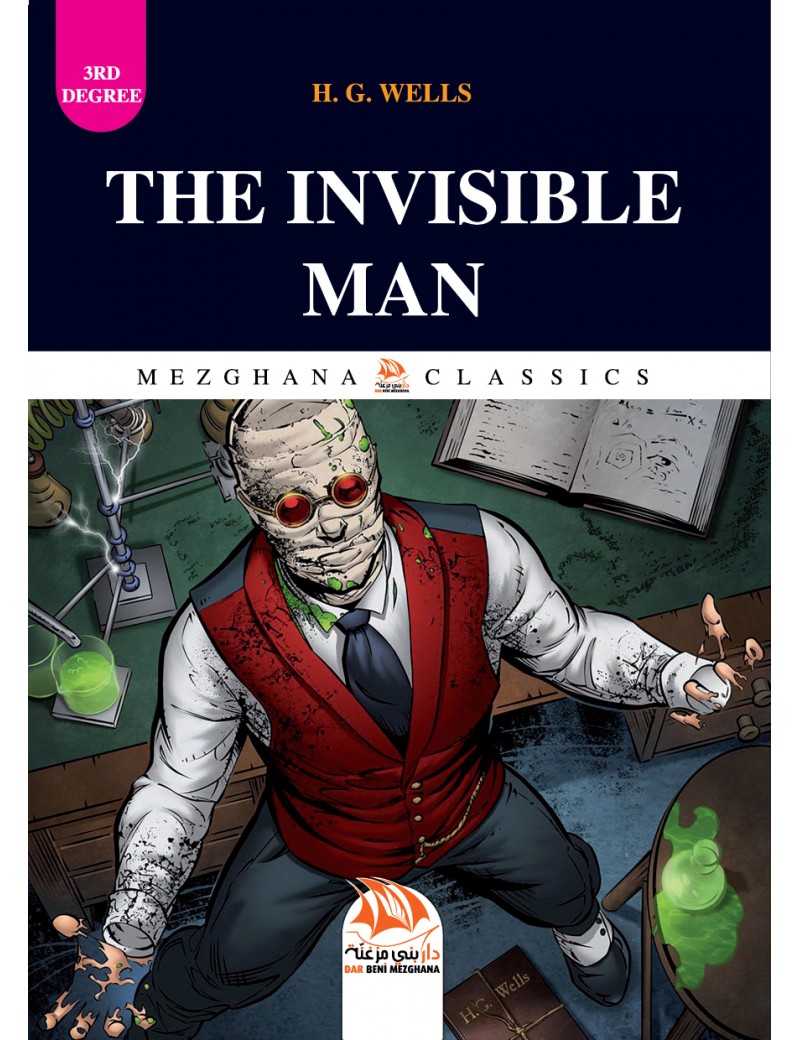
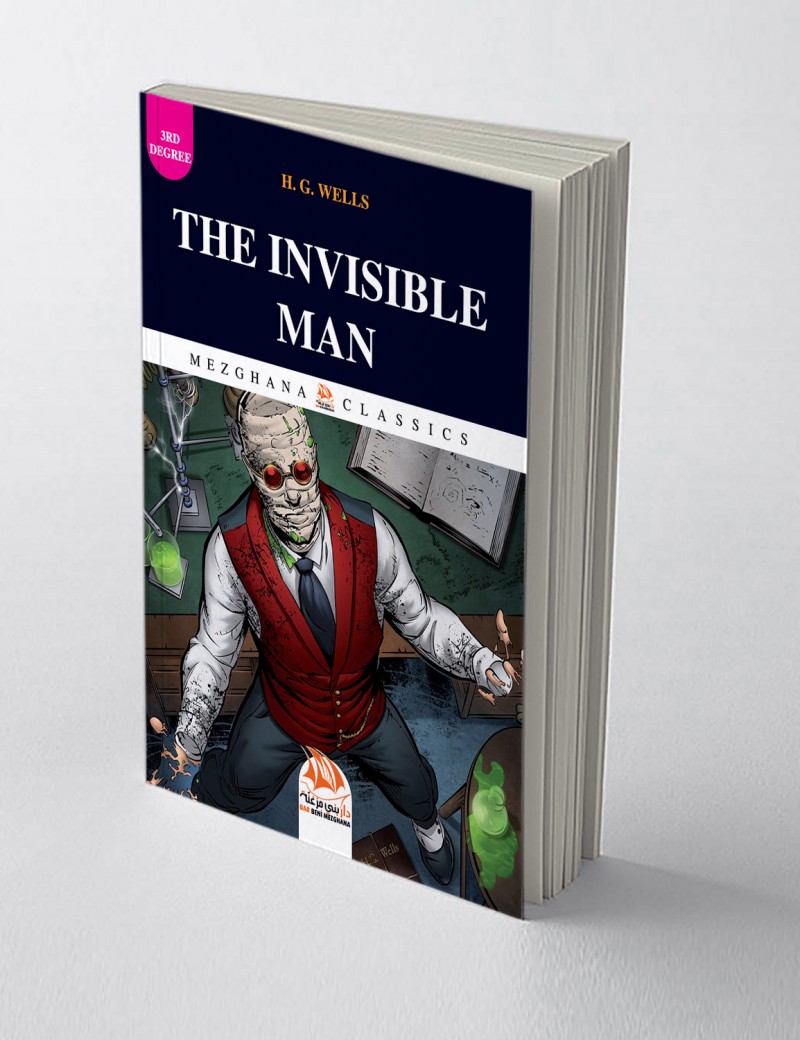
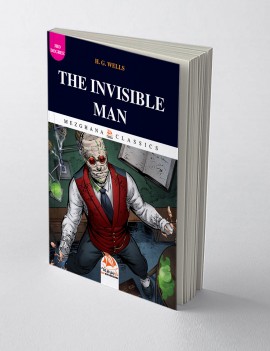
L'Homme invisible (The Invisible Man) est un roman de science-fiction de H. G. Wells, publié en 1897.
The Invisible Man is a science fiction novel by H. G. Wells. Originally serialized in Pearson's Weekly in 1897, it was published as a novel the same year. The Invisible Man the title refers to is Griffin, a scientist who has devoted himself to research into optics and invents a way to change a body's refractive index to that of air so that it neither absorbs nor reflects light and thus becomes invisible. He successfully carries out this procedure on himself, but fails in his attempt to reverse it. An enthusiast of random and irresponsible violence, Griffin has become an iconic character in horror fiction.
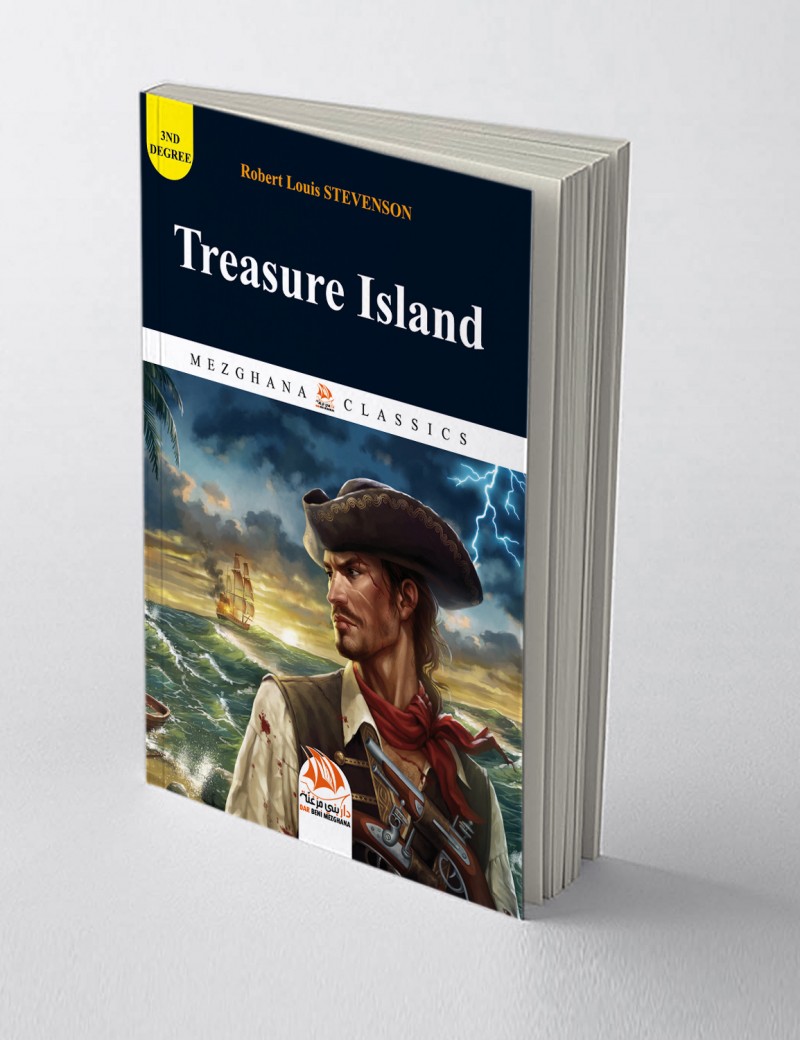
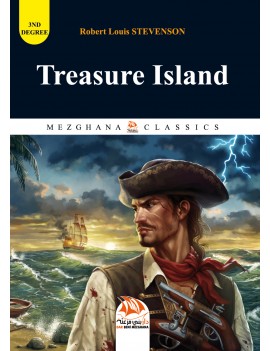
L'Île au trésor (titre original : Treasure Island) est un roman d'aventures écrit par Robert Louis Stevenson. L’œuvre est d'abord parue dans le magazine écossais pour enfants Young Folks du 1er octobre 1881 au 28 janvier 1882 sous la forme de feuilleton signé « Captain George North », puis sous la forme de livre en 1883, après que Stevenson eut apporté de nombreuses modifications à son texte.
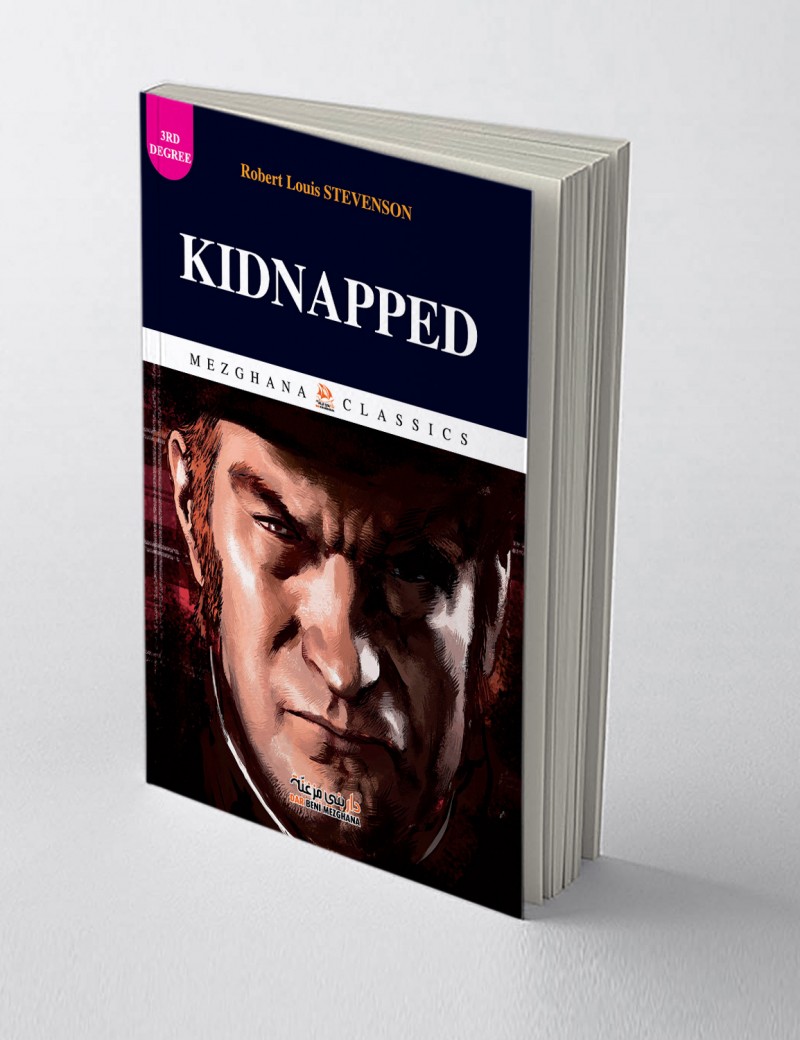
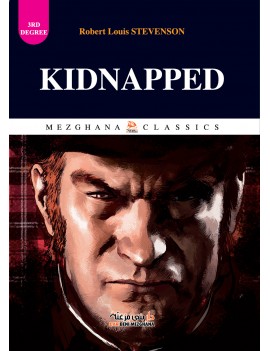
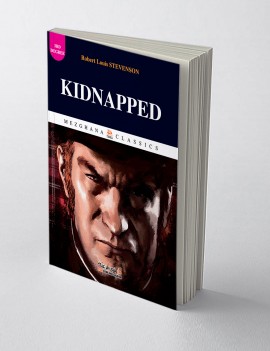
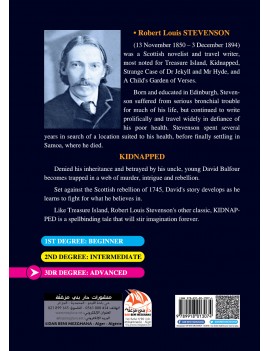
Enlevé ! (titre original : Kidnapped ; or the Lad with the Silver Button), également paru sous le titre : Les Aventures de David Balfour, est un roman d'aventures de Robert Louis Stevenson publié en 1886. En France, il a été édité pour la première fois en 1905.
Il est d'abord paru sous la forme de roman-feuilleton dans le magazine Young Folks Paper (en) du 1er mai au 31 juillet de la même année (14 épisodes).
Le roman s'articule autour d'un fait historique célèbre en Écosse : le meurtre d'Appin survenu en mai 1752.
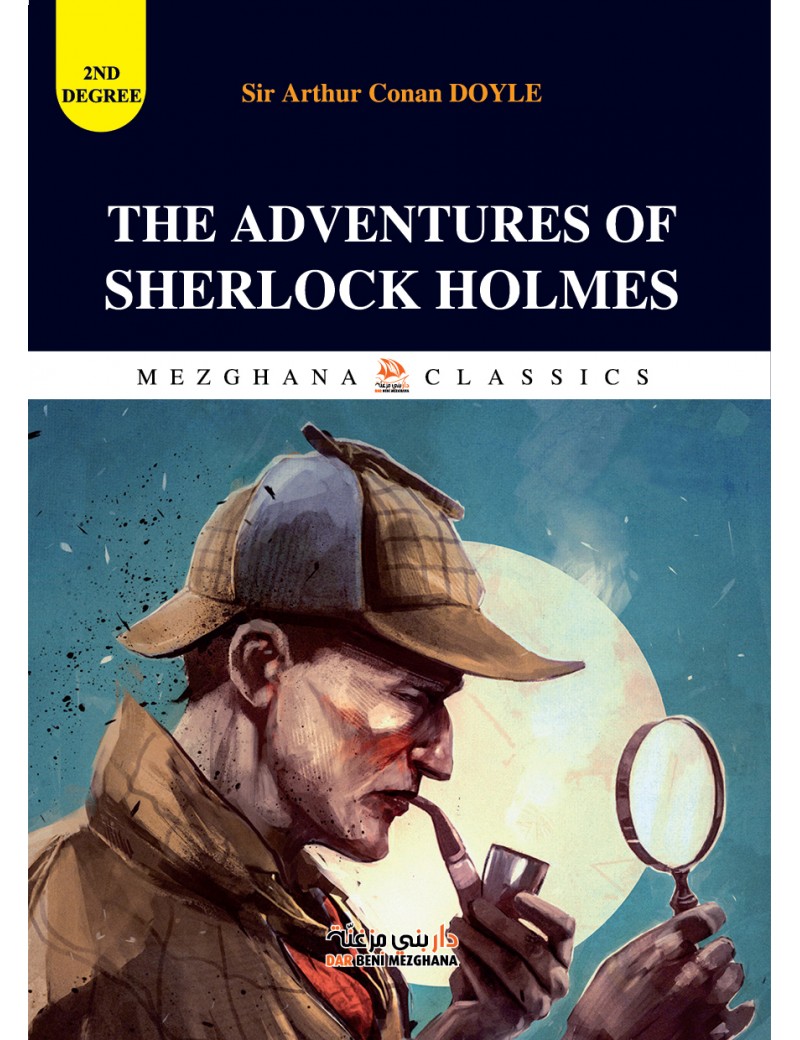
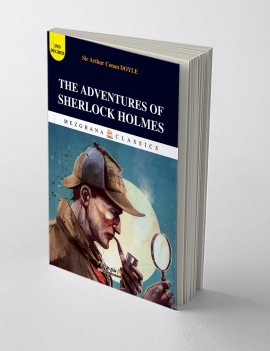
Les Aventures de Sherlock Holmes (The Adventures of Sherlock Holmes) est un recueil de nouvelles policières écrit par Sir Arthur Conan Doyle et mettant en scène son célèbre détective privé. Le livre original a été illustré par Sidney Paget.
Ce sont les premières aventures de Sherlock Holmes. Elles ont été publiées originellement dans Strand Magazine entre juillet 1891 et juin 1892. Le recueil a été publié en Angleterre le 14 octobre 1892 par l’éditeur George Newnes Ldt. Le tirage initial a été de 14 500 exemplaires.
Le livre a été interdit en Union soviétique en 1929 pour raison d'occultisme même si le livre ne montre aucune trace d’une telle thématique.
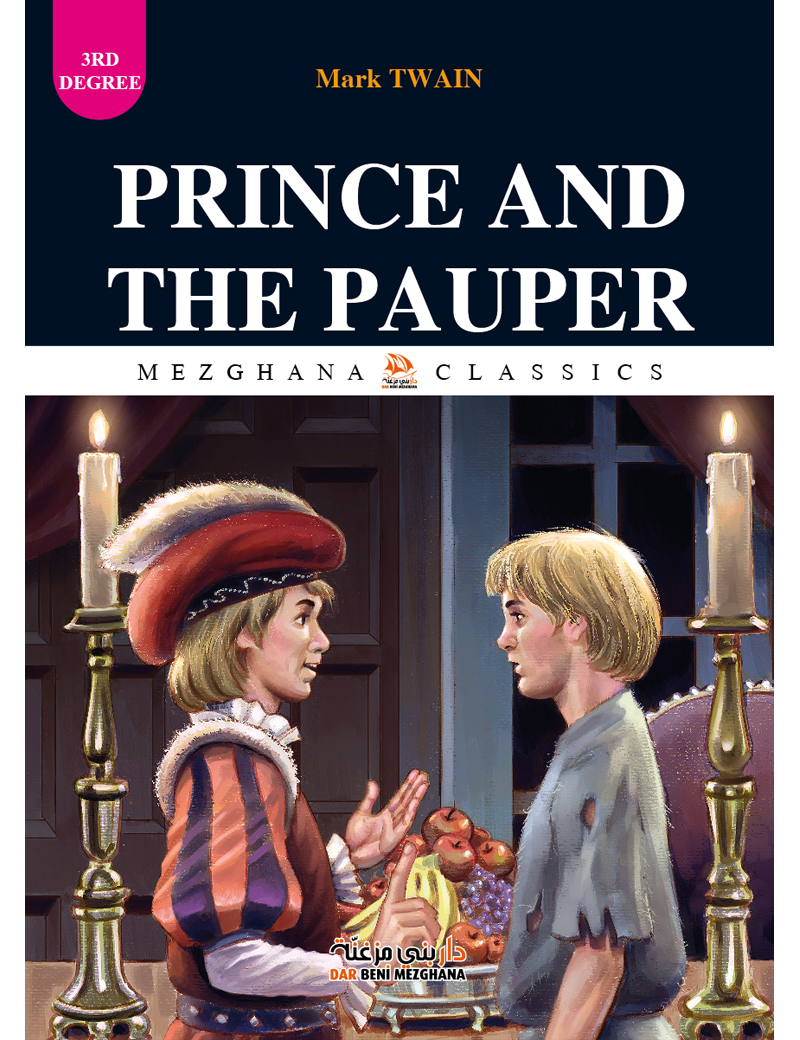
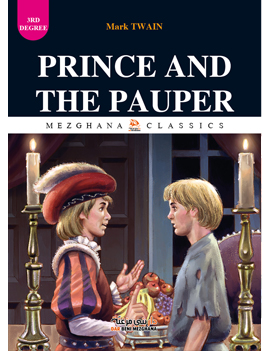
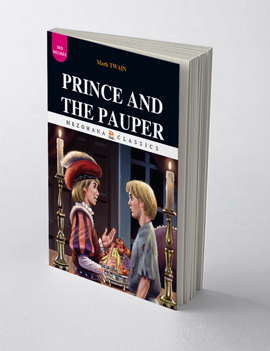
Born on the same day, a prince and a pauper grow up to experience very different lives. While Tom, the pauper, is unwanted by his family, Prince Edward grows up to be celebrated by the entire nation. However, fate has other plans for the two identical young men. What happens when the two accidentally swap lives? Will they be able to convince people of this error? Will they survive in these polar opposite worlds? Read the Prince and the Pauper to experience two wildly different worlds, and find out how the boys navigate through their adventures.
There are 2 items in your cart.
Total products: $150.00
Total shipping: free
Total: $150.00(tax incl.)
Chargement de l’aperçu…
Aperçu non disponible.